
Lucknow is the capital and largest city of the Indian state of Uttar Pradesh. Historically renowned as the seat of the Nawabs of Awadh, the city remains a major cultural hub famous for its refined etiquette (tehzeeb), poetry, music, and intricate Mughal and colonial architecture.
Lucknow
The Historic Capital of Awadh
History
Nawabi Administration
Lucknow rose to prominence in 1775 when Nawab Asaf-ud-Daula transferred the capital of the Awadh province from Faizabad to Lucknow. Under the Nawabs, the city rapidly developed into a sophisticated cultural center, competing directly with the declining Mughal capital of Delhi in arts and literature.
The Revolt of 1857
The city became one of the most critical epicenters during the Indian Rebellion of 1857. The prolonged 147-day Siege of Lucknow, specifically centered around the British Residency complex, resulted in the violent annexation of the territory by the British East India Company.
Architectural Synthesis
The city's architecture reflects a unique syncretism. The Nawabs heavily utilized Indo-Islamic templates utilizing brick and stucco rather than stone (due to geographic lack of quarries), while later incorporating prominent European motifs like grand ionic columns and arches.
Significance
Lucknow stands as the premier stronghold of India's surviving 'Ganga-Jamuni Tehzeeb'—a historic, socio-cultural synthesis of Hindu and Muslim traditions. It remains a national center for chikan embroidery, classical Kathak dance, and traditional culinary arts.
Festivals
Lucknow Mahotsav
An annual cultural extravaganza typically held between November and December. The massive fair showcases Awadhi cuisine, traditional crafts, and hosts nightly performances by classical musicians and prominent Urdu poets.
Muharram
Given its historic Shia Muslim heritage, Lucknow observes Muharram with profound solemnity. Elaborate processions of intricately crafted 'Tazias' (replica mausoleums) wind through the old city, primarily connecting the Bara and Chhota Imambaras.
Special Highlight
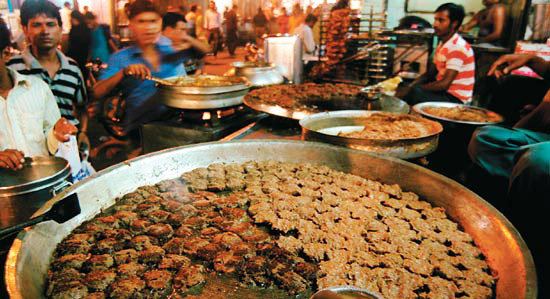
The city is globally famous for its specialized Awadhi cuisine, particularly the melt-in-the-mouth purely minced Galouti Kebabs.
Travel Guide to Lucknow
How to Reach
By Air: Chaudhary Charan Singh International Airport (LKO) connects the city globally and domestically.
By Train: Lucknow Charbagh Railway Station functions as the primary, aesthetically stunning rail hub.
By Road: Directly accessible from Delhi via the high-speed Agra-Lucknow Expressway (approx 7 hours).
Best Time to Visit
October to March ensures pleasant weather for exploring the vast architectural complexes.
Local Attractions
Bara Imambara: A massive congregation hall built without any supporting pillars.
The Residency: The preserved, cannon-scarred ruins of the British compound from 1857.
Hazratganj: The historic central shopping district requiring 'Ganjing' evening walks.
Travel Tips
Explore the narrow lanes of Chowk via cycle-rickshaw to witness traditional Chikan artisans at work.
Utilize the modern Lucknow Metro for rapid transit between major historical and commercial zones.
Tunday Kebabi in the old city is the historic, original source for the city's legendary kebabs.
Many monuments charge nominal entry fees; maintain small denominations of Indian Rupees.
Location Map
Image Gallery


