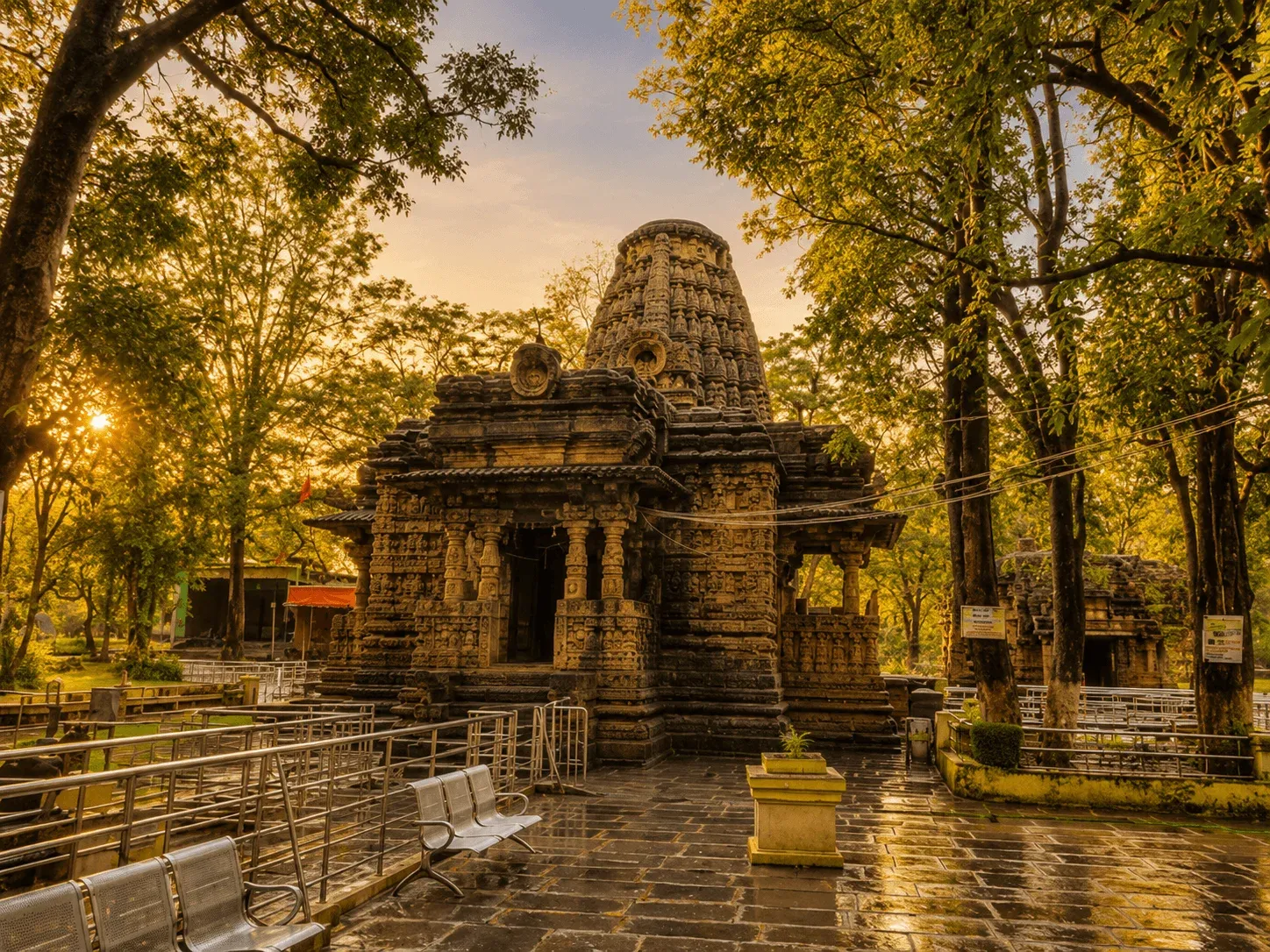
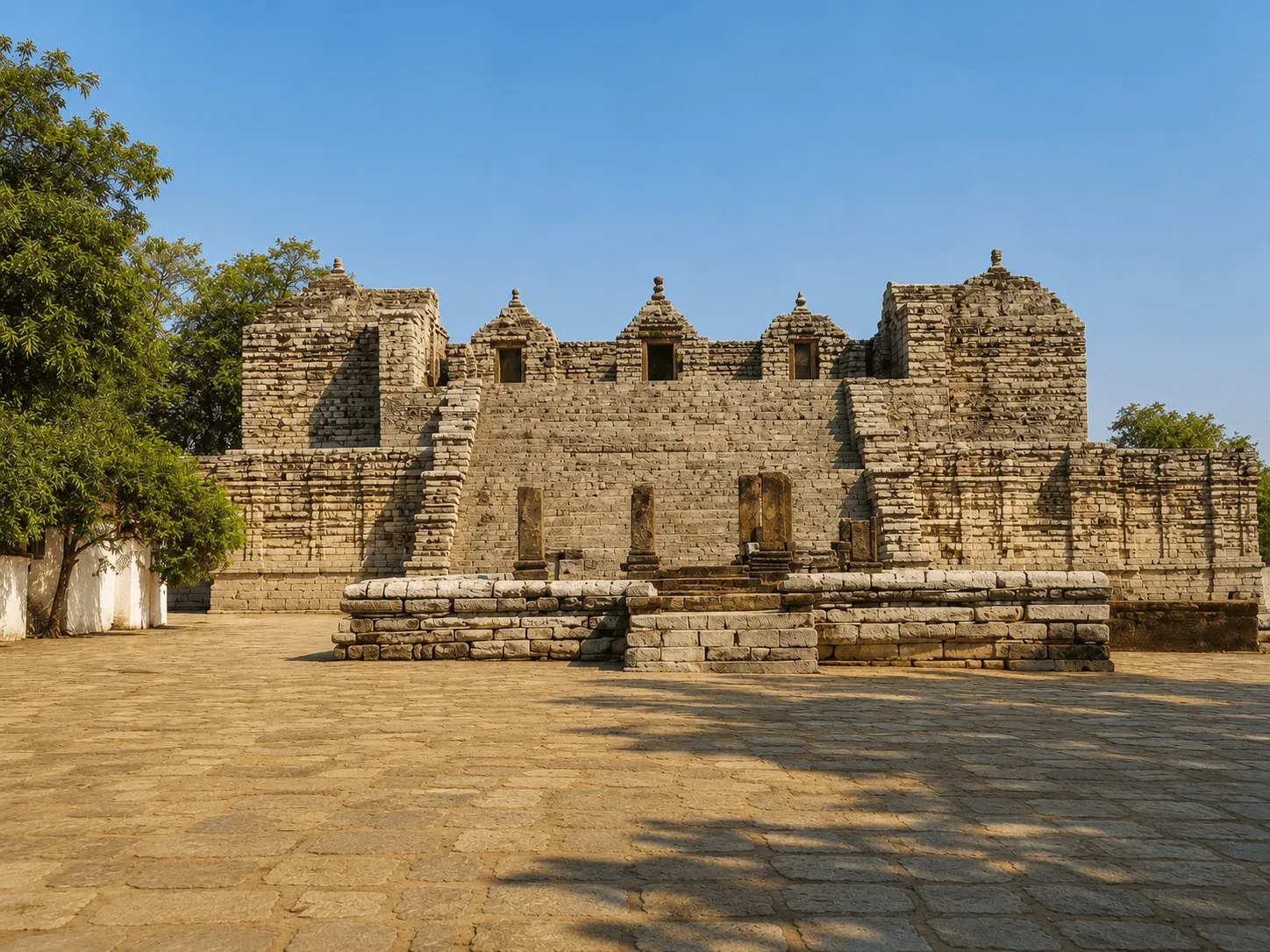
Once the capital of the Dakshina Kosala kingdom, Sirpur (ancient Sripura) in Mahasamund district holds one of central India's richest concentrations of early medieval ruins — the 7th-century Lakshmana Temple, Buddhist viharas, Jain monasteries, and a 6th-century royal drainage system. Chinese pilgrim Hiuen Tsang visited in 639 CE and recorded 100 monasteries and 10,000 monks, making Sirpur one of the few Indian heritage sites with a firsthand medieval eyewitness account.
Sirpur Heritage Site
Ancient Capital of Dakshina Kosala — Where Hindu, Buddhist, and Jain Civilisations Shared the Same City
A Glimpse into the History of Sirpur
Capital of Dakshina Kosala
Sirpur served as capital of the Sharbhapuriya, Panduvanshi, and Somavamshi kings from the 5th to 12th centuries CE. Ancient name Sripura (City of Abundance) proved accurate — excavations uncovered residential quarters, markets, a palace, and a 6th-century public bath within a well-planned city grid.
Hiuen Tsang's Visit and Monasteries
Hiuen Tsang (639 CE) recorded ~100 monasteries and 10,000 monks at Sripura, placing it among early medieval India's major Buddhist centres. Excavations confirmed this — the Teevardev Vihara with its monolithic Avalokiteshvara statue and multiple monastery complexes were unearthed exactly where he described them.
Rediscovery and Excavations
Sirpur lay buried under farmland for centuries. ASI excavations from the 1950s, accelerating after 2000 under archaeologist Arun Sharma, uncovered Jain viharas, a 9th-century bronze Adinatha statue, and the Surang Tila complex — revealing a city where Hindu, Buddhist, and Jain communities remarkably coexisted.
Significance of Sirpur
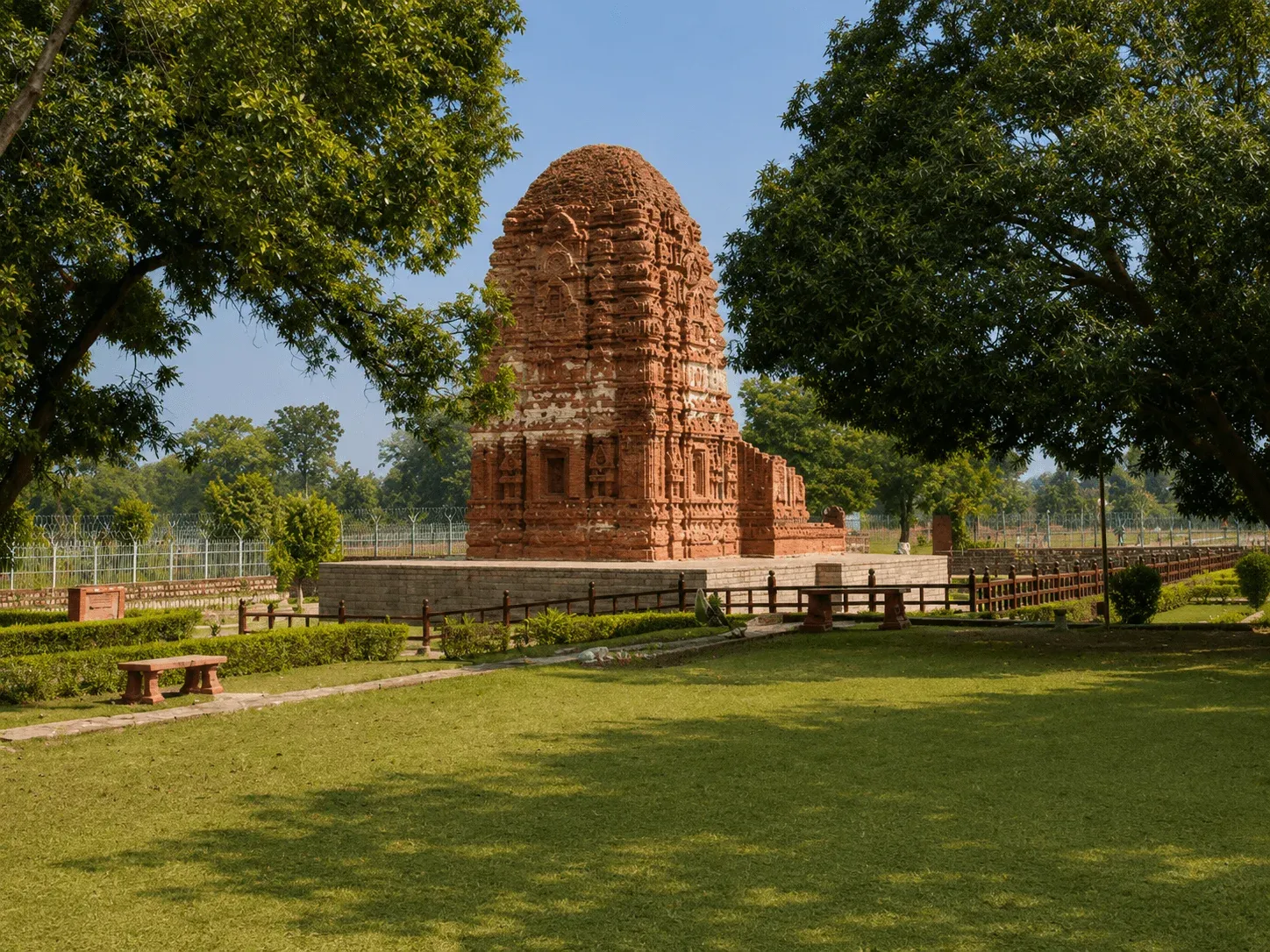
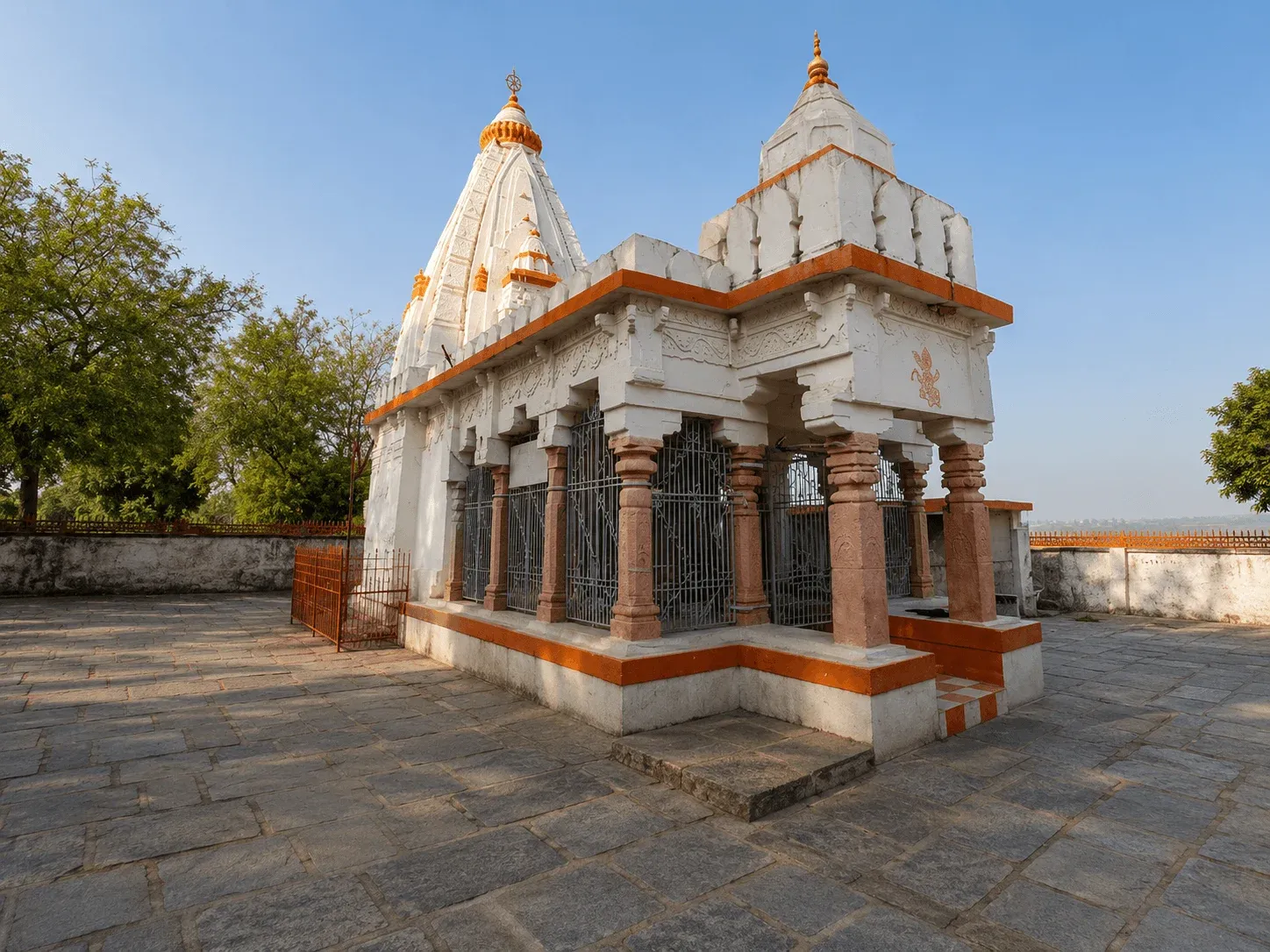
Sirpur is rare in India — Hindu, Buddhist, and Jain traditions all left significant ruins in the same city during overlapping periods. The 7th-century Lakshmana Temple (all-brick, intricate Vaishnava carvings) is among central India's finest early medieval temples. The Surang Tila panchayatana complex and the vihara networks add further depth to a site still being actively excavated.
Festivals at Sirpur
Sirpur Mahotsav (January–February)
Sirpur Mahotsav stages Bharatanatyam, Odissi, and Chhattisgarhi folk performances directly at the illuminated ruins — an open-air classical festival beside 1,400-year-old temple walls that few heritage sites in central India can match.
Buddha Purnima (April–May)
Buddha Purnima draws Buddhist pilgrims and scholars to Sirpur's vihara complexes each year. The district administration occasionally organises cultural programmes here — a meaningful time for anyone interested in the site's Buddhist legacy.
The Lakshmana Temple — 1,400 Years of Brick
Built entirely from fired brick in the 7th century CE and standing intact for 1,400 years — without stone reinforcement — the Lakshmana Temple uses an interlocking brick technique that modern engineers find difficult to replicate. Its exterior panels of celestial beings, river goddesses, and Vaishnava mythology remain crisp and readable to this day.
Travel Guide to Sirpur
How to Reach Sirpur
By Air: Raipur Airport (RPR) is the nearest airport, ~80 km from Sirpur, with flights from Delhi, Mumbai, Kolkata, and Hyderabad. From Raipur, hire a taxi directly to Sirpur (~2 hrs) or go via Mahasamund town.
By Train: Mahasamund Railway Station (~36 km) is the closest railhead on the Raipur–Waltair line. From there, local taxis and autos reach Sirpur in under an hour.
By Road: Sirpur is accessible via NH-53 from Raipur (~80 km, ~2 hrs). State buses run Raipur–Mahasamund; from Mahasamund town hire local transport for the remaining 36 km to the site.
Best Time to Visit
Oct–Mar (Best): Cool weather (14–27°C), ideal for heritage walks across the open archaeological site. January–February coincides with Sirpur Mahotsav — the best possible timing. Apr–Jun: Very hot (38–44°C) — feasible only with early morning visits before 9 AM. Monsoon (Jul–Sep): The site remains open but paths become muddy and some excavation zones are off-limits.
Local Attractions
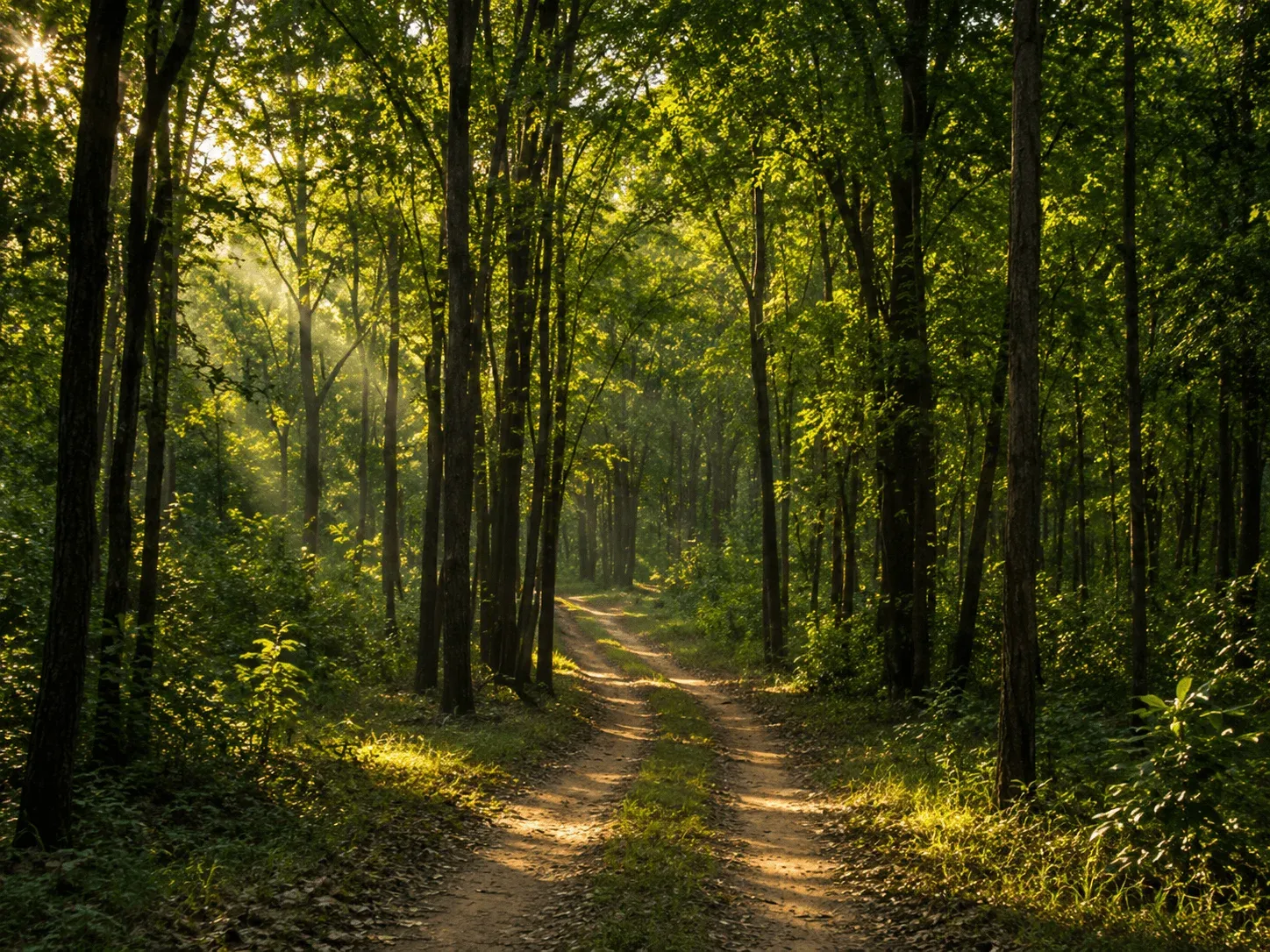
Barnawapara Wildlife Sanctuary (~80 km): Wildlife safari in Mahasamund's forest belt — gaur, leopard, sloth bear.
Raipur (~80 km): State capital with Mahant Ghasidas Museum, Nandan Van Zoo, and air connectivity.
Rajim (~65 km): Ancient Vishnu temple town at the Mahanadi-Pairi-Sondur river confluence — a major pilgrimage site in Chhattisgarh.
Tips for Visitors
Wear comfortable walking shoes — the site is spread across open terrain and can involve 2–3 km of walking across uneven excavated ground.
Carry a hat, sunscreen, and water. The site is almost entirely open with minimal shade — crucial between October and April when midday heat is significant.
The Lakshmana Temple exterior panels photograph best in morning light (7–9 AM). Afternoon sun creates harsh shadows on the carved brick surfaces.
Hire an authorised ASI guide at the site entrance — the archaeological layers and iconographic detail are difficult to appreciate without expert context.
Sirpur Heritage Site Location
Image Gallery