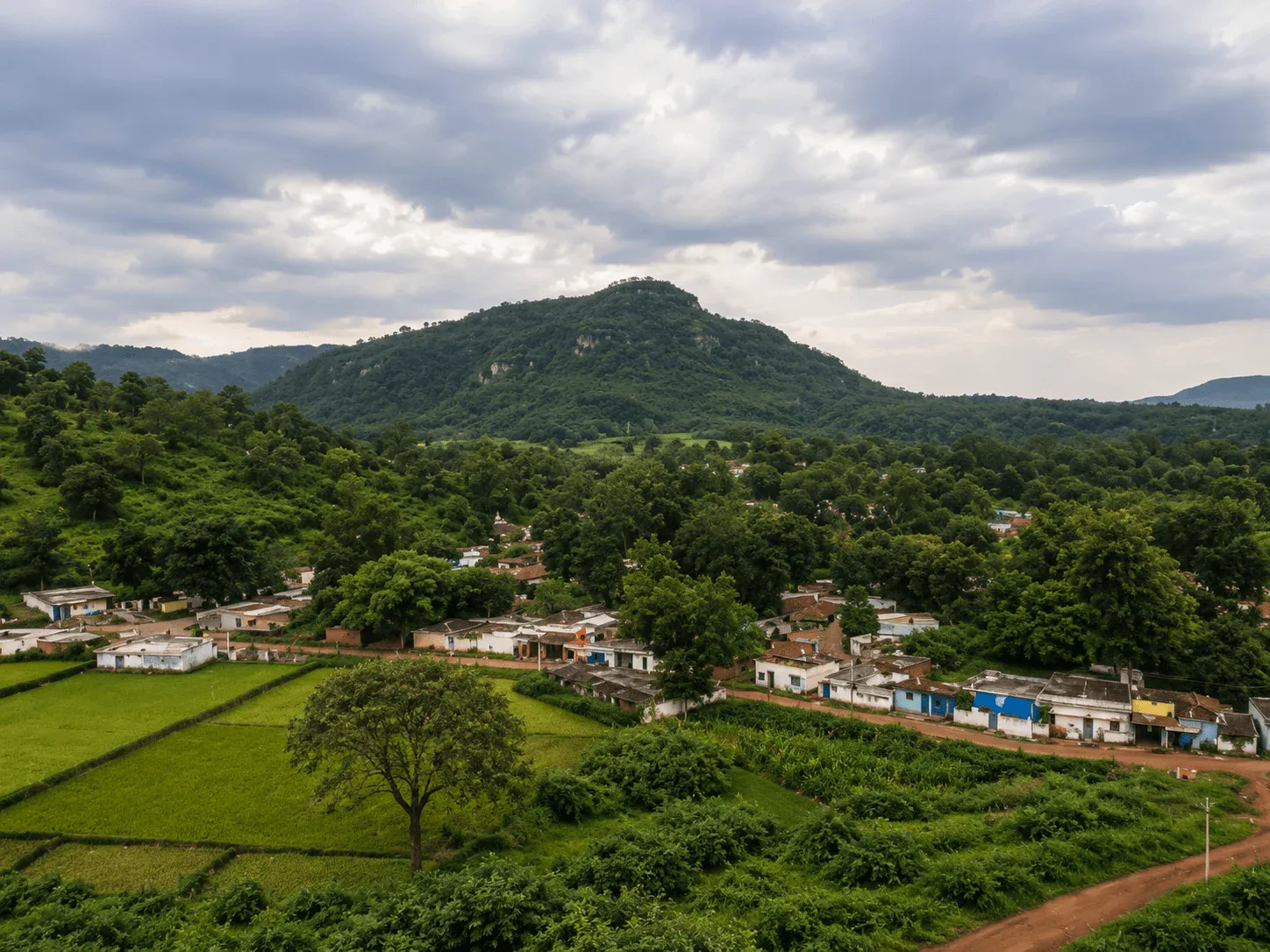
Perched in the hills of Manendragarh-Chirmiri-Bharatpur district in northern Chhattisgarh, Chirmiri is a former coal mining town that earned the nickname "Heaven of Chhattisgarh" for its cool climate, forested hills, and the scenic Hasdeo River flowing through it. The town holds the Kanthideval Temple (dated 1039 CE), a Jagannath Temple replica built by migrant workers from Odisha, and easy access to the Amrit Dhara Waterfall in the nearby Manendragarh forest — making it an offbeat combination of industrial heritage and natural beauty.
Chirmiri
Heaven of Chhattisgarh — A Coal Mining Hill Town with Waterfalls, Ancient Temples & the Hasdeo River
A Glimpse into the History of Chirmiri
Ancient Roots: Kanthideval Temple (1039 CE)
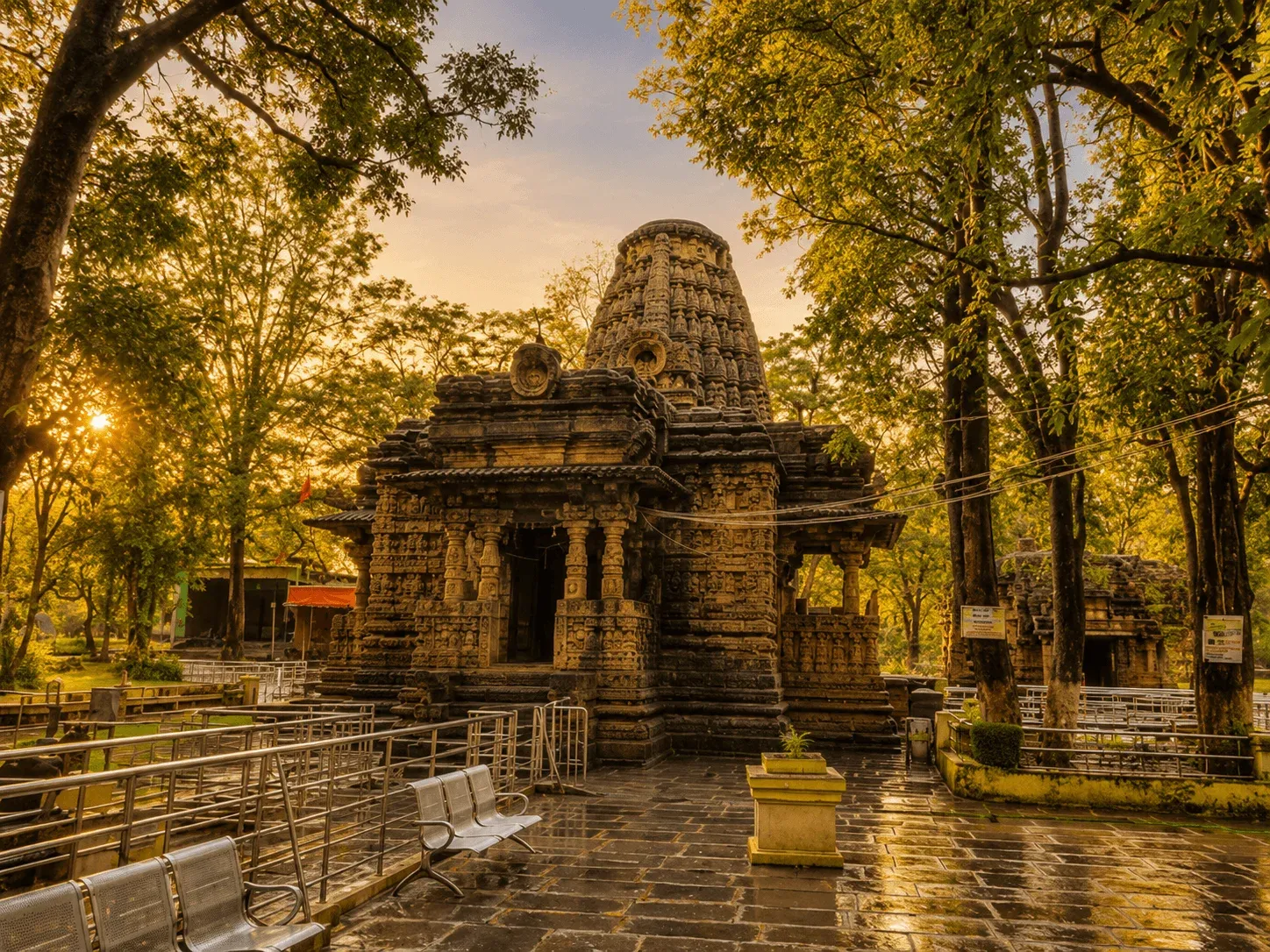
The Kanthideval Temple, dated to 1039 CE, is the oldest surviving structure in the Chirmiri region — predating the coal era by nearly nine centuries. It stands as evidence that the Hasdeo river valley was a settled and religiously significant area long before any industrial activity made Chirmiri known beyond the region.
Coal Mining Era and Workforce Migration
Chirmiri's modern identity was shaped by coal extraction under South Eastern Coalfields Limited (SECL). The work drew large migrant communities from Odisha — a migration that left a permanent cultural imprint: the Jagannath Temple here is a replica of the Puri temple, built by these Odia workers and their descendants, who continue to celebrate Rath Yatra and Odia festivals in the town.
New District Status (2021)
Formerly part of Koriya district, Chirmiri became part of the newly created Manendragarh-Chirmiri-Bharatpur district in 2021 — one of Chhattisgarh's most recently formed administrative units. The reorganisation brought improved administrative focus to the region's mix of coal economy, tribal communities, and emerging eco-tourism potential.
Significance of Chirmiri
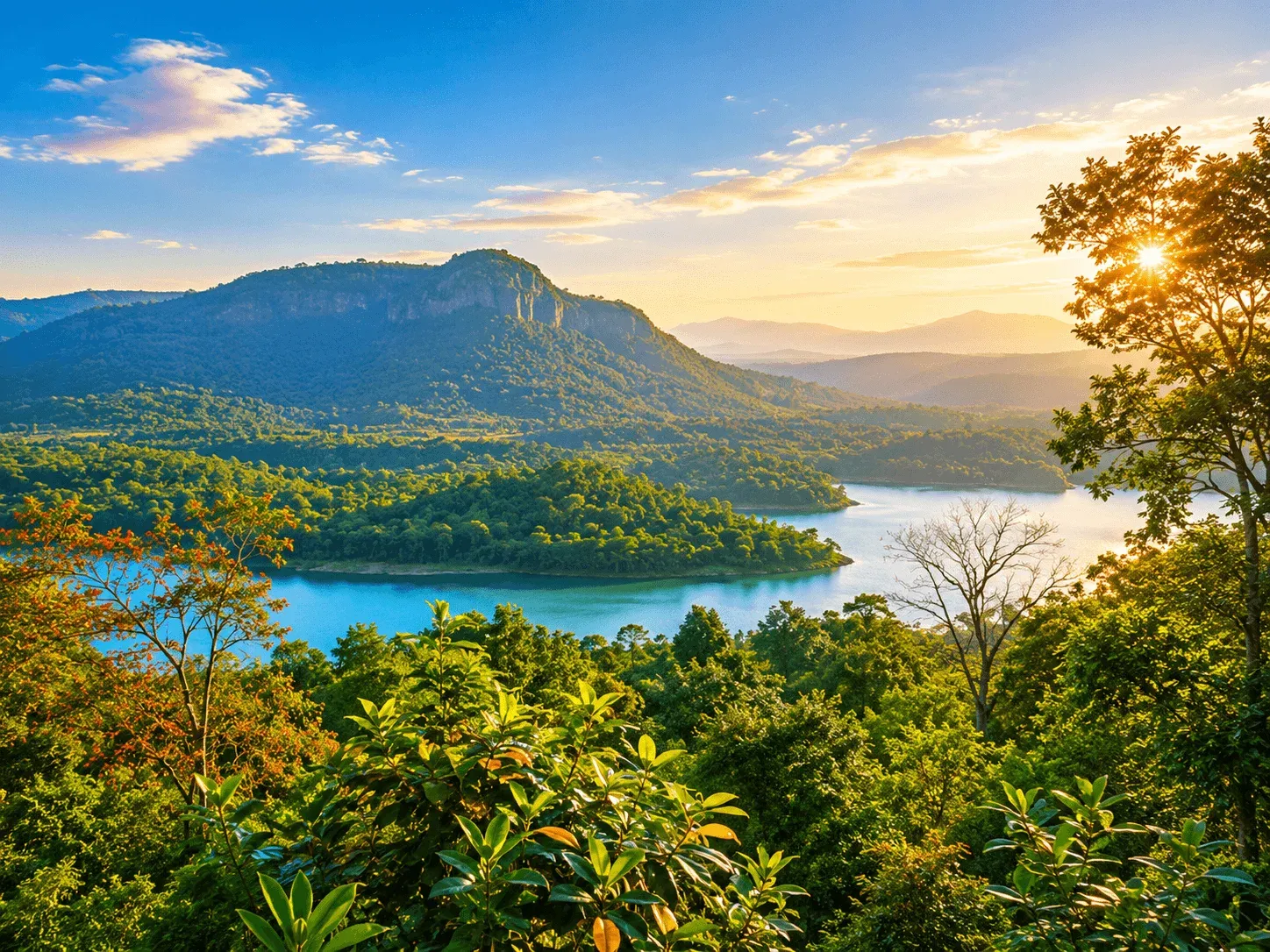
Chirmiri is one of Chhattisgarh's highest-altitude towns, sitting in the Maikal-Chota Nagpur range at an elevation that keeps temperatures cooler than most of the state — a practical draw for visitors from the plains during summer. The Hasdeo River, a major Mahanadi tributary, originates near this region, and its upper reaches around Chirmiri offer clean, scenic river access rare in central India's coal belt. The Jagannath Temple here is culturally significant as a living example of how Odia migrant heritage has created a replica pilgrimage site over 1,000 km from Puri.
Festivals in Chirmiri
Rath Yatra (June–July)
The Jagannath Temple's Rath Yatra is Chirmiri's most colourful annual event — a chariot procession that mirrors the Puri tradition, organised by the town's Odia community. The festival draws crowds from across the district and is a striking reminder of how a migrant coal-worker community transplanted an entire religious tradition to northern Chhattisgarh.
Hareli & Madai Mela (Tribal Festivals)
The surrounding Koriya-Manendragarh tribal belt celebrates Hareli (first monsoon agricultural festival) and local Madai Melas with Gond and Korwa tribal music and folk traditions. These village-level festivals run through the monsoon and autumn months and are accessible from Chirmiri with local transport.
A Puri Replica Built by Coal Workers
The Jagannath Temple in Chirmiri isn't a modern tourist construct — it was built over decades by Odia labourers who worked the coal mines and missed their home temple at Puri. These workers and their families maintained the full ritual calendar: Rath Yatra, Snana Yatra, and daily puja exactly as practiced in Puri. The result is a temple that functions as a complete cultural transplant — Odia language, cuisine, and religious practice preserved in a Chhattisgarhi coal town for over half a century.
Travel Guide to Chirmiri
How to Reach Chirmiri
By Air: Raipur Airport (RPR) is the nearest major airport, ~310 km away — approximately 7 hours by road. For closer air access, Bilaspur Airport (PAB) is ~180 km away with limited connectivity.
By Train: Chirmiri has its own station (CHRM) connected to Bilaspur and Anuppur. For wider connectivity, Anuppur Junction (~70 km) on the Katni–Bilaspur line has more express train options.
By Road: Via NH-43 from Ambikapur or Bilaspur — the road through the Maikal Hills is scenic but winding. State buses connect Chirmiri to Ambikapur (~90 km) and Bilaspur (~200 km).
Best Time to Visit
Oct–Apr (Best): Cool and pleasant at Chirmiri's elevation (15–27°C) — ideal for waterfall visits, temple exploration, and riverside walks. Jun–Jul: Rath Yatra season — culturally the most interesting time, though monsoon rains make hill roads wet. May–Jun: Chirmiri is noticeably cooler than the Chhattisgarh plains — a practical summer escape when lowland temperatures breach 40°C.
Local Attractions
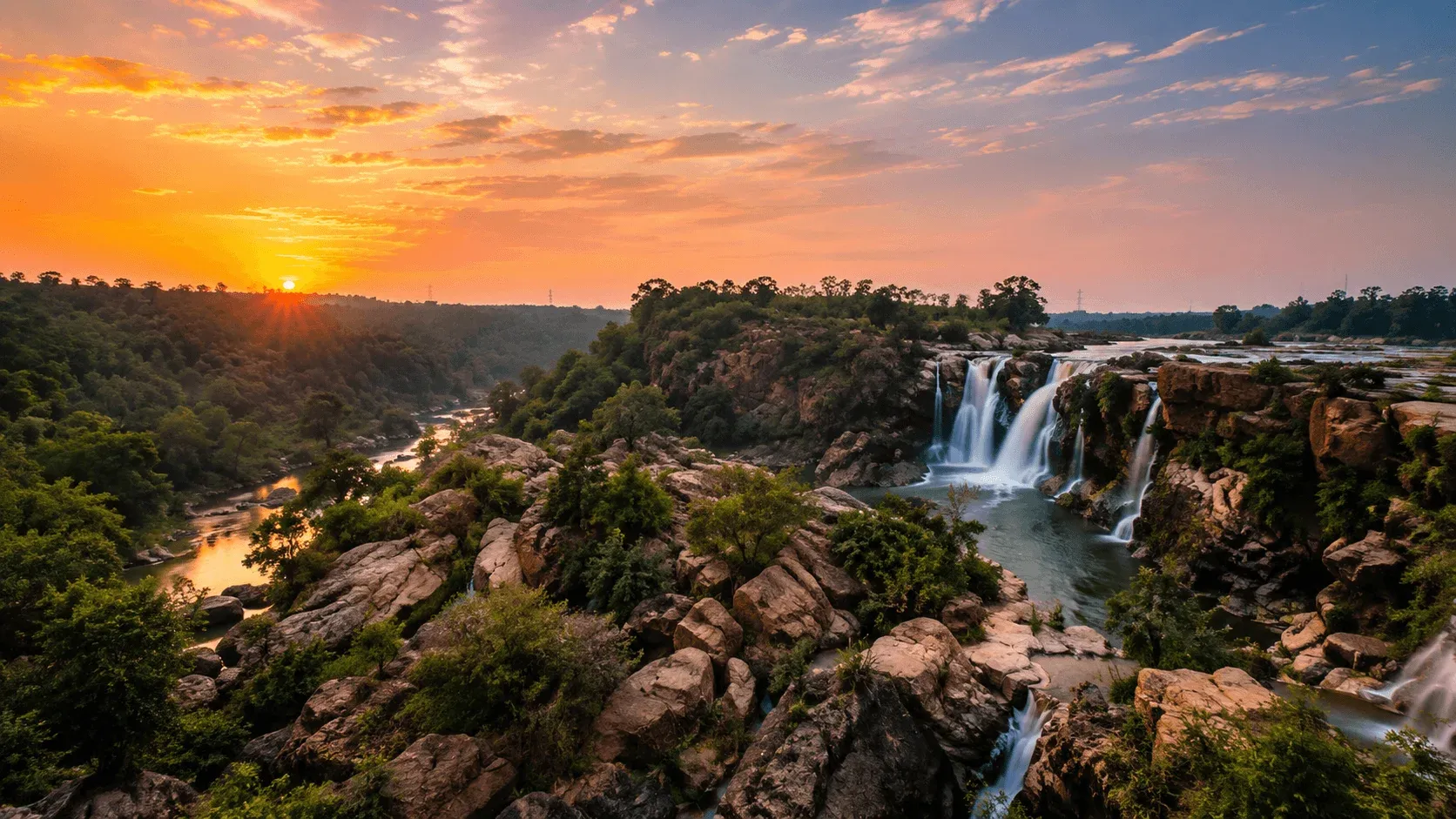
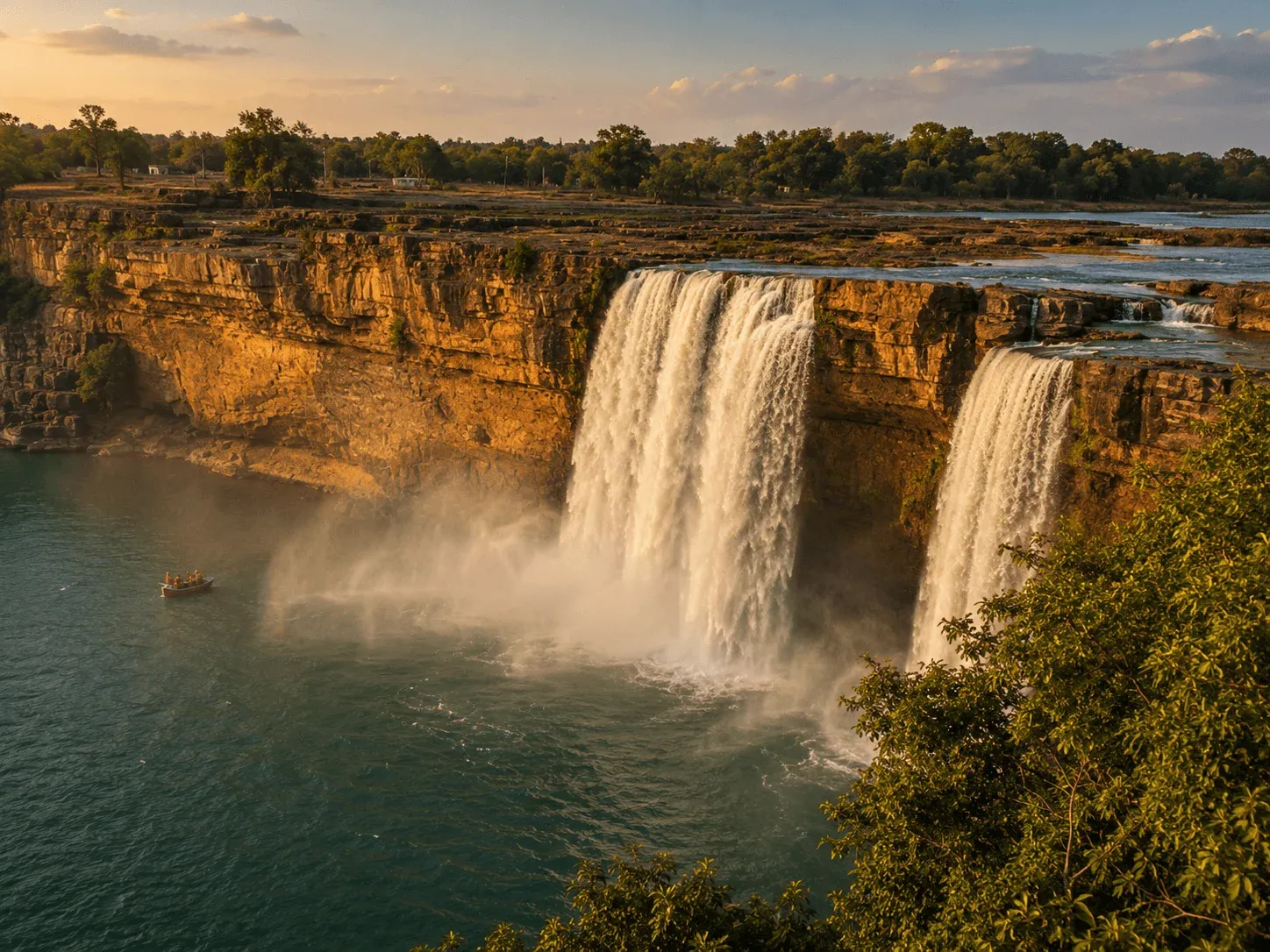
Amrit Dhara Waterfall (~30 km): A forested seasonally spectacular waterfall near Manendragarh — best after monsoon (August–October).
Ramdaha Waterfall (~25 km): Scenic forest waterfall in the Koriya belt, accessible by road from Chirmiri.
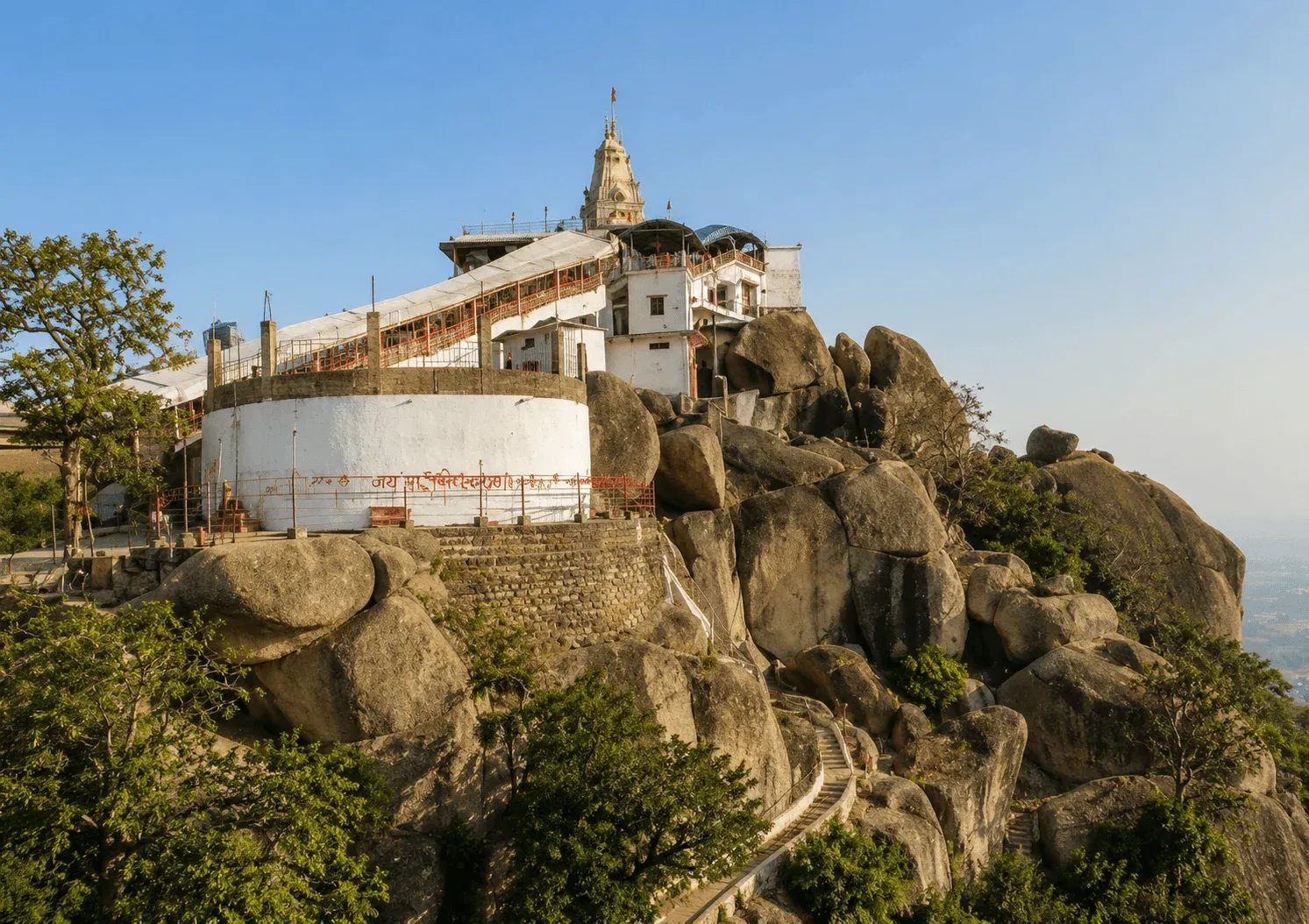
Siddh Baba Mountain (~15 km): Hilltop Shiva temple with panoramic views over the district — popular for sunrise visits.
Ambikapur (~90 km): Headquarters of Surguja division, with Maheshpur heritage site and Tatapani hot springs nearby.
Tips for Visitors
Hire a local taxi or auto from Chirmiri town for waterfalls and temple visits — distances to Amrit Dhara and Ramdaha are 25–30 km on winding hill roads unsuitable for long walks.
Amrit Dhara is best visited August–November when monsoon keeps the falls full. Outside this window the volume drops significantly.
Accommodation in Chirmiri is basic — small guesthouses and SECL rest houses. Book ahead for weekends and Rath Yatra period (June–July).
If arriving by rail, use Anuppur Junction rather than Chirmiri station for better train options — and then take a bus or taxi for the remaining 70 km stretch.
Chirmiri Location
Image Gallery