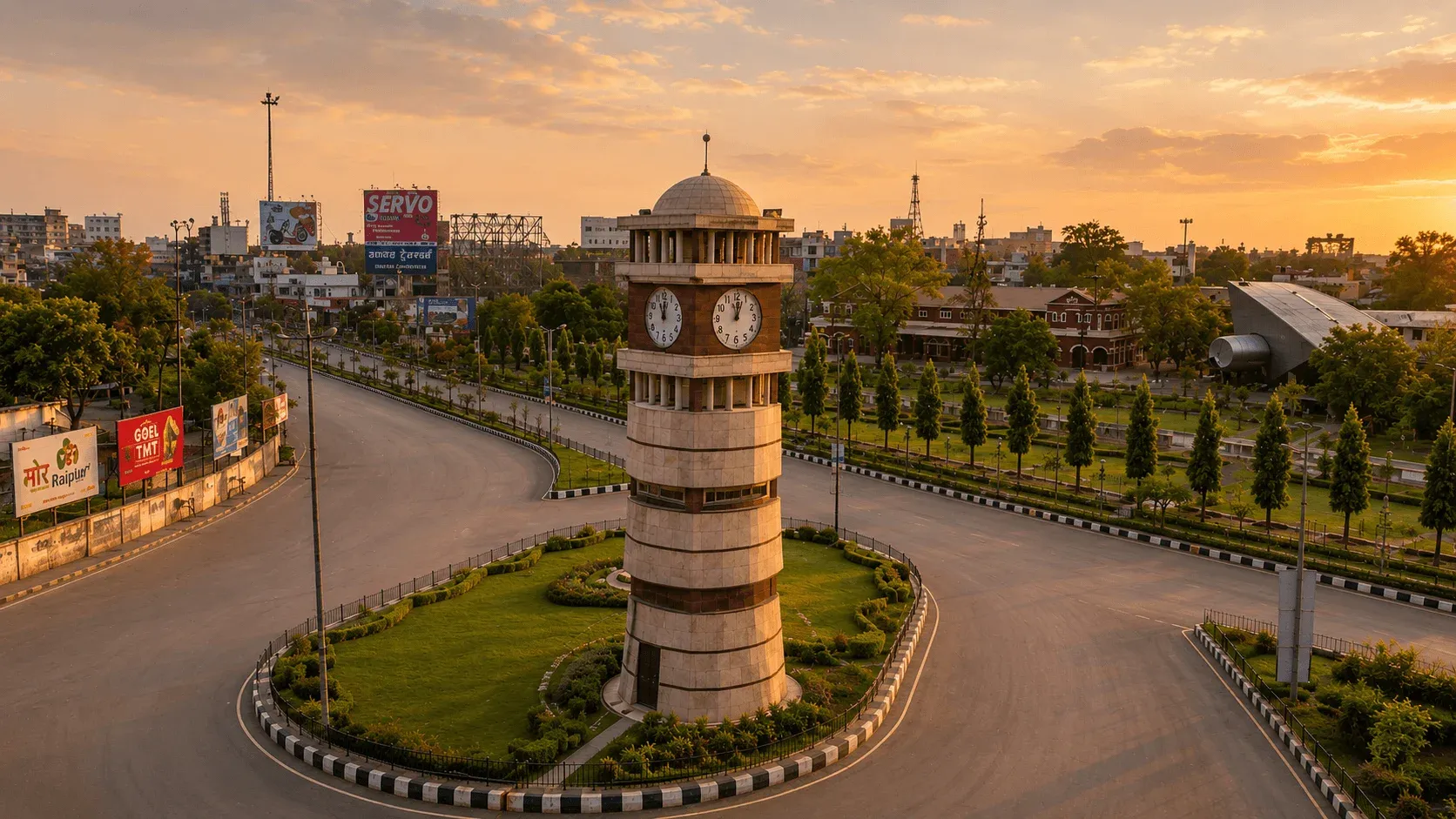
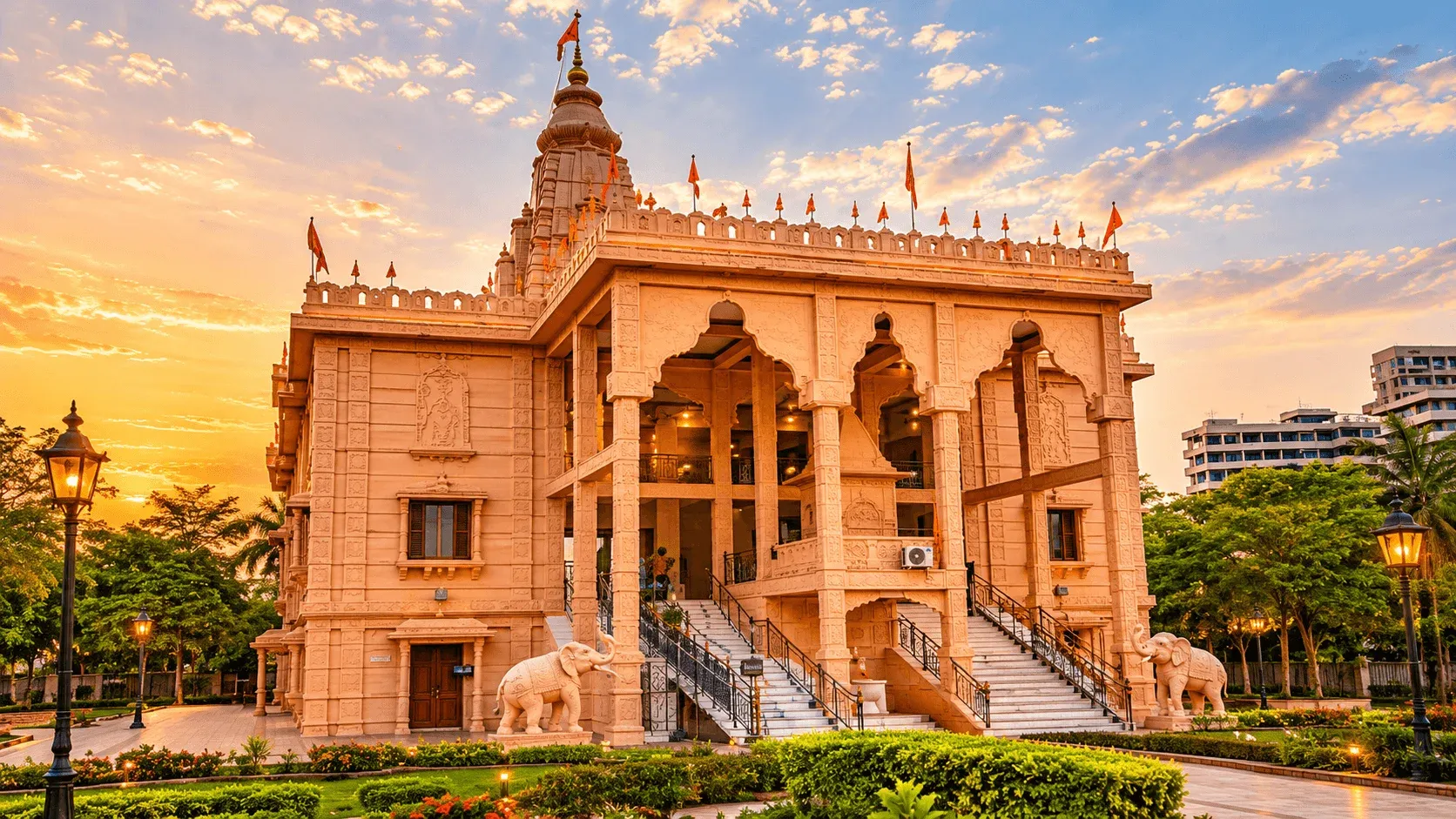
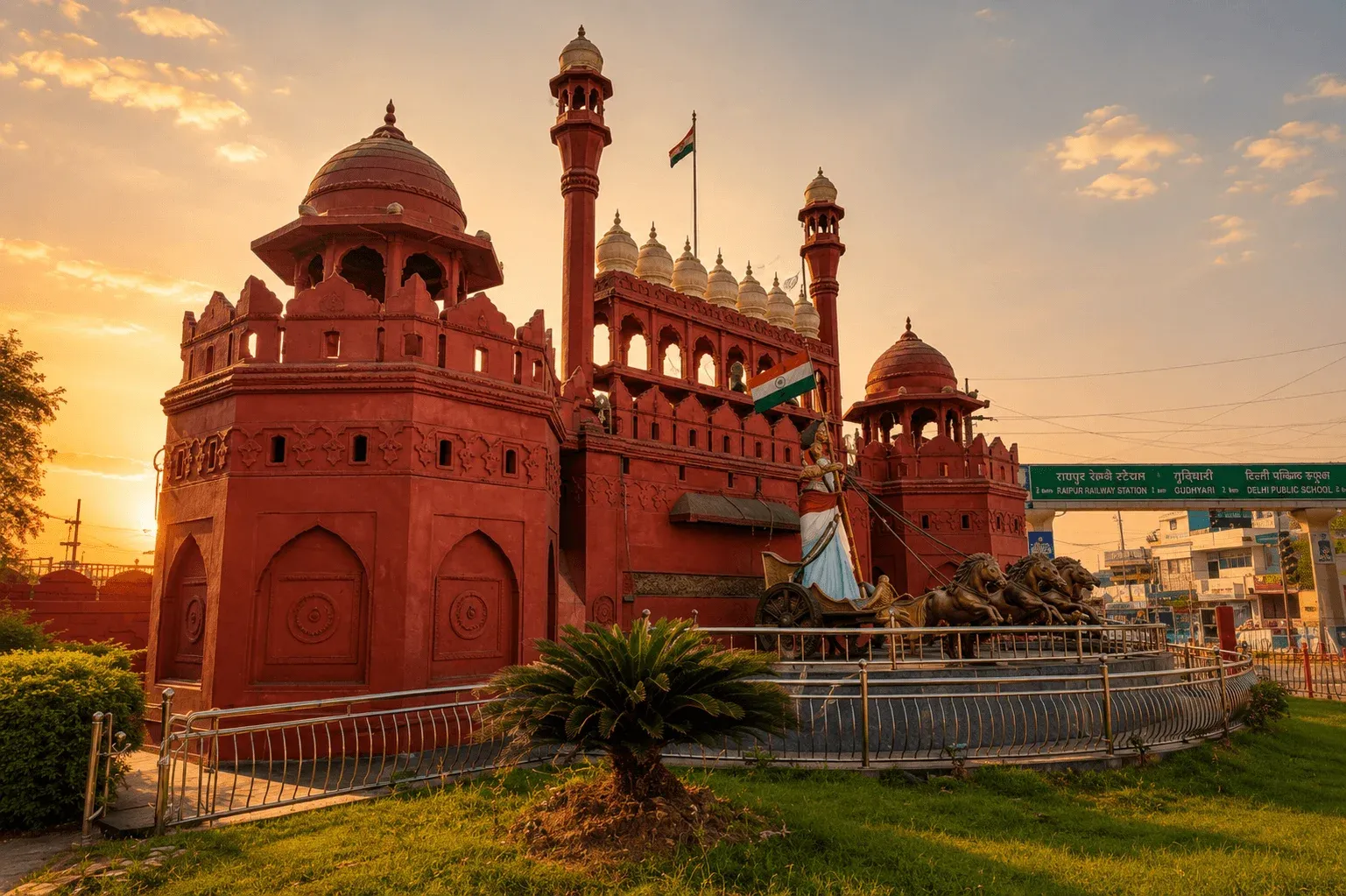
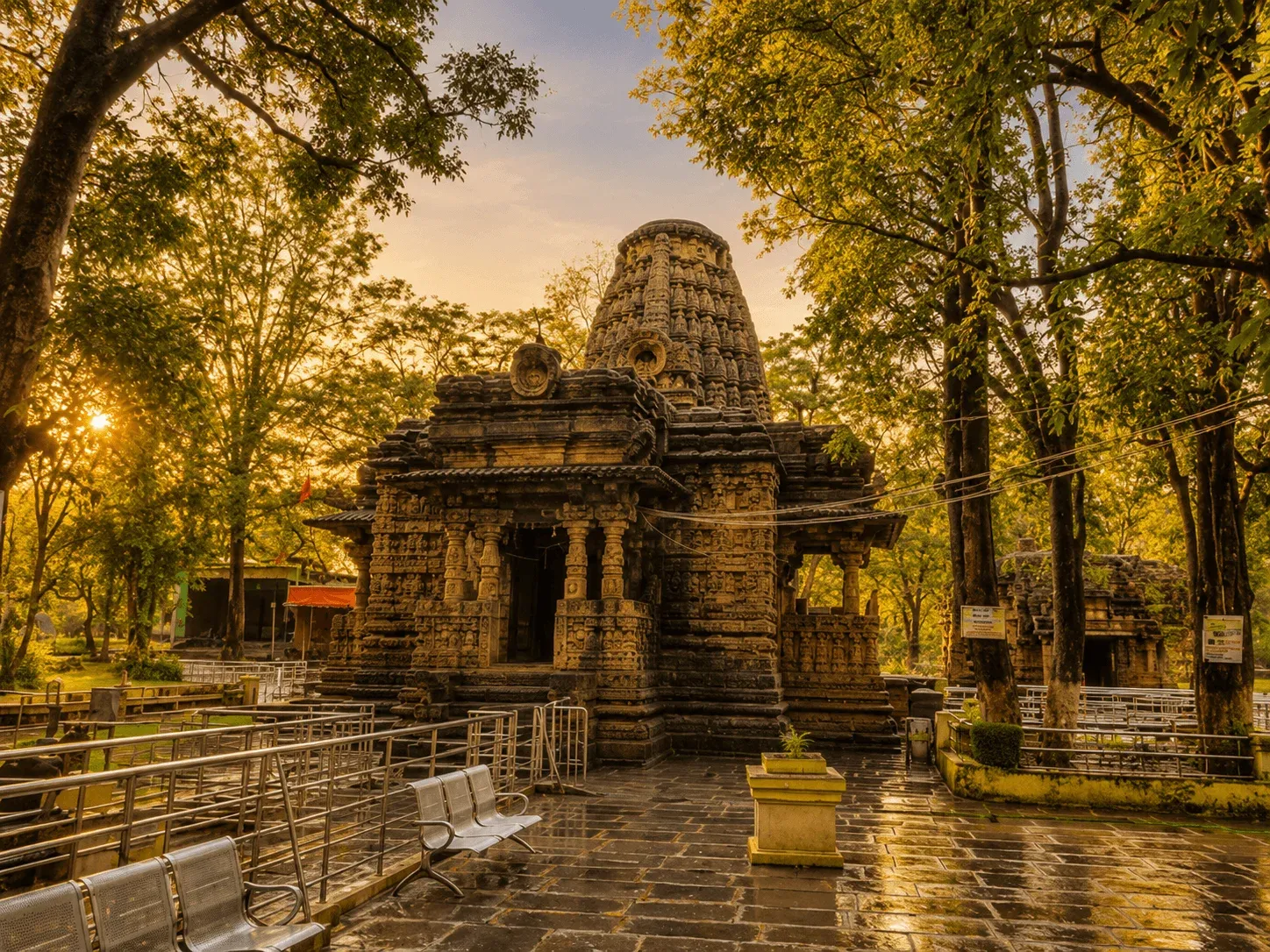
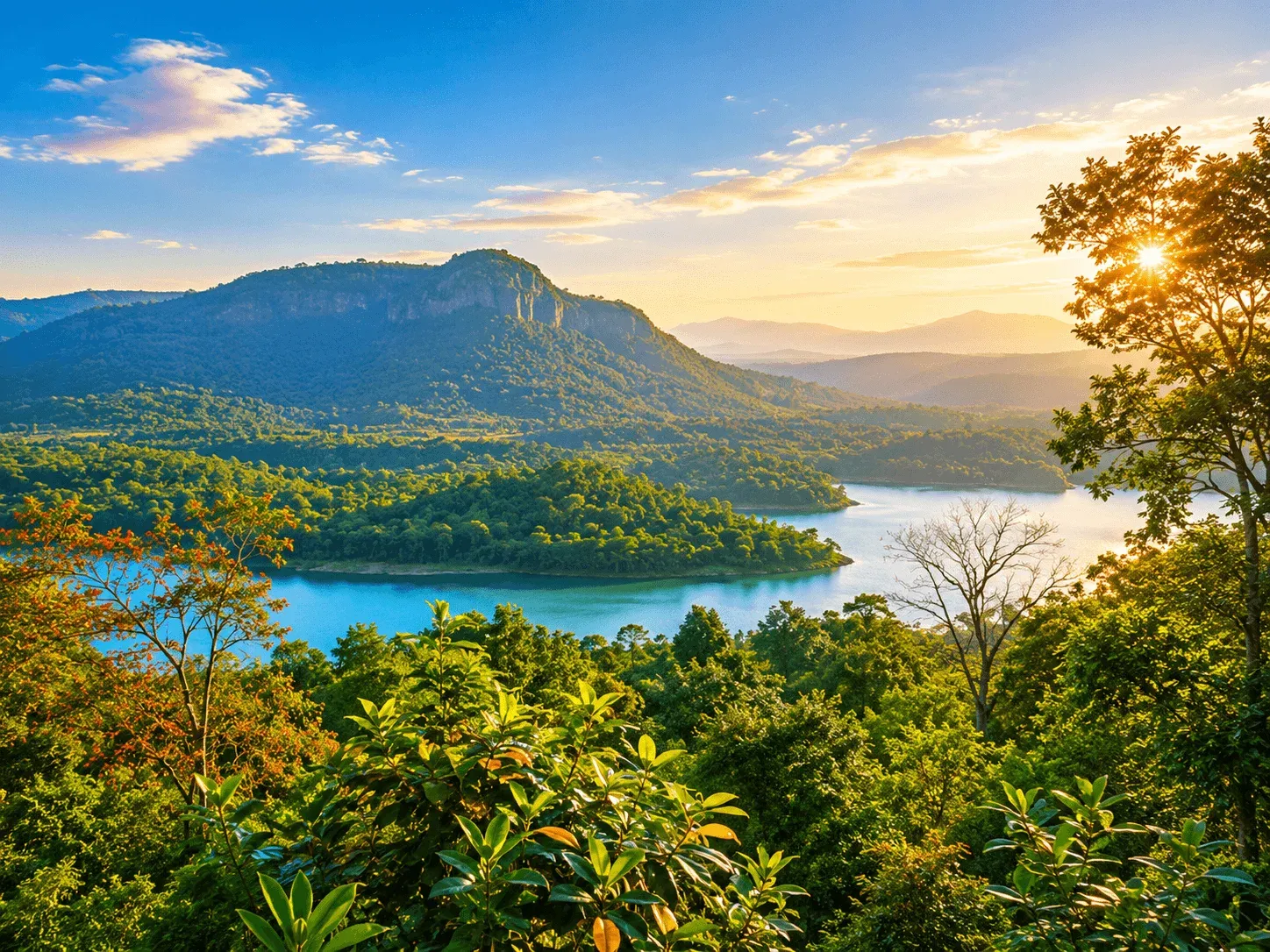
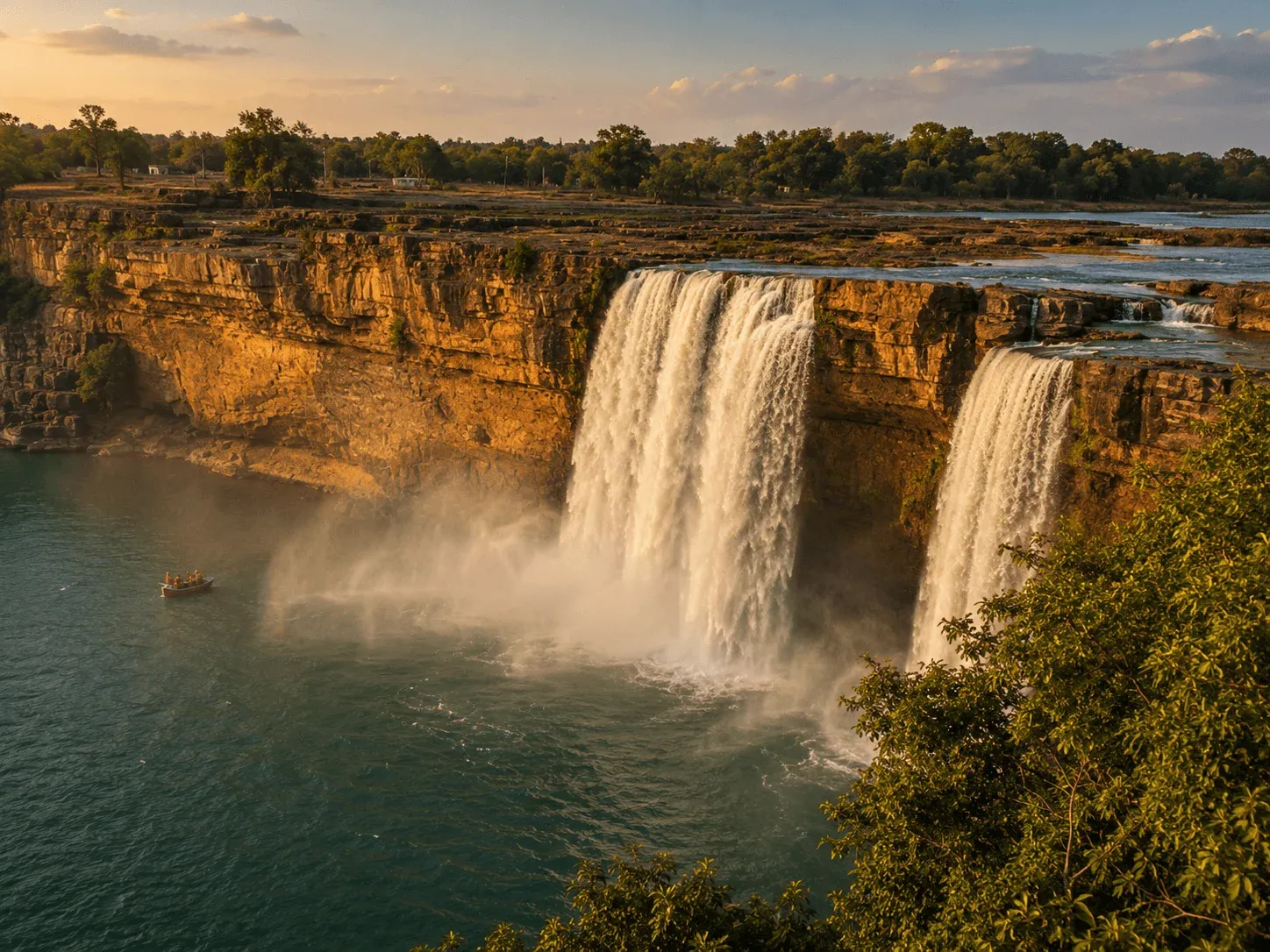
Raipur, the capital of Chhattisgarh, carries over 600 years of history — founded around 1402 CE by Brahmdeo Rai of the Kalchuri dynasty and later ruled by the Marathas and British before becoming the capital of India's newest state on 1 November 2000. Beyond its rapid urban growth and Naya Raipur satellite city, the old core holds the 17th-century Dudhadhari Math, the 1875-established Mahant Ghasidas Museum, and the sprawling Swami Vivekananda Sarovar — making it a surprisingly layered city for travellers passing through central India.
Raipur
Capital of Chhattisgarh — Where Ancient Dakshina Kosala Meets a Fast-Growing Modern City
A Glimpse into the History of Raipur
Founded by the Kalchuri Dynasty (1402 CE)
Raipur was established around 1402 CE when Brahmdeo Rai of the Kalchuri dynasty shifted the regional capital here from nearby Khallari. The city's name derives from "Rai" — a Kalchuri royal title. Archaeological evidence from the broader Dakshina Kosala region links the area to even earlier Maurya, Satavahana, and Somavamshi rule.
Maratha Rule and British Administration
In the 18th century, the Bhonsle Marathas brought Raipur under Nagpur's dominion. After the fall of the Nagpur kingdom in 1854, the British annexed the city and made it the headquarters of a separate Commissionery — the administrative structure that shaped much of Raipur's urban layout as it exists today.
Birth of Chhattisgarh's Capital (2000)
On 1 November 2000, Raipur became the capital of the newly carved state of Chhattisgarh, separated from Madhya Pradesh. The Naya Raipur (Atal Nagar) satellite city project began in 2008, creating a planned urban extension that now houses government offices, the airport, Nandan Van, and Purkhauti Muktangan.
Significance of Raipur
Raipur functions as the cultural, administrative, and commercial hub of Chhattisgarh — the city through which most visitors enter the state by air or rail. The Mahant Ghasidas Memorial Museum (est. 1875) is one of the oldest in the region, housing tribal artifacts, stone inscriptions, and ancient coins from Dakshina Kosala's dynastic past. Purkhauti Muktangan, an open-air museum in Naya Raipur, is the single best introduction to Chhattisgarh's indigenous tribal communities for first-time visitors. The Swami Vivekananda Sarovar (Budha Talab) — a large historic lake with a 37-foot Vivekananda statue — anchors the city's public life.
Festivals in Raipur
Rajim Kumbh Mela (February–March)
Although held 45 km away at Rajim, this major pilgrimage fair — one of Chhattisgarh's largest annual gatherings — draws enormous crowds through Raipur, which serves as the primary hub for transport and accommodation. The Mahanadi-Pairi-Sondur river confluence at Rajim is considered highly sacred, and the Mela typically runs for two to three weeks around Mahashivaratri.
National Tribal Dance Festival (October–November)
Raipur hosts the National Tribal Dance Festival at Science College Ground — a multi-day event bringing tribal dance troupes from across India and occasionally from neighbouring countries. It's the most concentrated showcase of Chhattisgarhi, Jharkhand, Odisha, and northeast Indian tribal performing traditions in one place.
Did You Know? India's Youngest State Capital
Raipur became a state capital on 1 November 2000 — making Chhattisgarh one of India's youngest states. To accommodate rapid growth, the government built Naya Raipur (now officially Atal Nagar) from scratch starting 2008 — a planned greenfield city that now houses the airport, Nandan Van safari, and Purkhauti Muktangan within a single modern corridor, rare for any Indian state capital.
Travel Guide to Raipur
How to Reach Raipur
By Air: Swami Vivekananda Airport Raipur (RPR) is within city limits, with direct flights from Delhi, Mumbai, Kolkata, Hyderabad, Bengaluru, and Bhopal — the best-connected airport in Chhattisgarh.
By Train: Raipur Junction (R) is a major railhead on the Howrah–Mumbai main line with trains from all major Indian cities. Station is in the heart of the city — convenient for all tourist areas.
By Road: NH-53 (Raipur–Jagdalpur) and NH-30 connect Raipur to central and southern Chhattisgarh. Bilaspur is ~130 km north; Jagdalpur (Bastar) is ~300 km south via NH-30.
Best Time to Visit
Oct–Mar (Best): Pleasant weather (14–28°C), ideal for sightseeing and the National Tribal Dance Festival. Feb–Mar: Coincides with Rajim Kumbh — pair both easily. Apr–Jun: Very hot (38–45°C) — outdoor sites are uncomfortable; limit visits to early morning. Jul–Sep: Monsoon rains cool the city but some outdoor venues reduce hours.
Local Attractions
Rajim Temples (~45 km): Ancient Rajiv Lochan temple town at a sacred river confluence — Chhattisgarh's most important pilgrimage site.
Bhilai (~32 km): India's iconic steel city — Bhilai Steel Plant township with Maitri Bagh zoo and Tandula Dam nearby.
Sirpur (~80 km): Ancient capital with Lakshmana Temple, Buddhist viharas, visited by Hiuen Tsang in 639 CE.
Tips for Visitors
Nandan Van and Purkhauti Muktangan are both in Naya Raipur (~20 km from old city) — plan them together in one trip to save travel time.
Mahant Ghasidas Museum is closed on Mondays — check timings before visiting. Best explored in 1.5–2 hours with an audio guide or local guide.
Auto-rickshaws and app cabs (Ola/Uber available) are the most practical transport within the city. For day trips to Rajim or Bhilai, hire a taxi for the day.
Try Chhattisgarhi thali (red rice, badi, farra, chousela roti) at any dhaba near Budha Talab — this is the local staple, not restaurant-dressed versions.
Raipur Location
Image Gallery