Vijayawada, strategically located on the banks of the Krishna River in NTR district, stands as one of Andhra Pradesh's most vibrant and rapidly growing urban centers. This bustling city serves as a major commercial and transportation hub, connecting different regions of the state through its excellent rail, road, and air networks. Known for its rich cultural heritage, religious significance, and economic dynamism, Vijayawada has earned the nickname "The Business Capital of Andhra Pradesh" while maintaining deep roots in tradition and spirituality.
Vijayawada
Andhra's Cultural Capital
A Glimpse into the History of Vijayawada
Ancient Origins and Mythological Significance
Vijayawada's history dates back to ancient times, with references found in Hindu mythology and Puranas. According to legend, the city gained prominence after Goddess Durga defeated the demon Mahishasura on the Indrakeeladri Hills, earning it the name "Vijayawada" (Place of Victory). Archaeological evidence suggests human settlement in this region since the Stone Age, with the area serving as an important trade route between the Deccan plateau and coastal regions.
Medieval Period and Dynastic Rule
During the medieval period, Vijayawada flourished under various dynasties including the Satavahanas, Ikshvakus, Pallavas, and Chalukyas. The city's strategic location on the Krishna River made it a crucial center for trade and military campaigns. The construction of the Prakasam Barrage in the 1950s transformed the region's agriculture, while the development of railway connectivity established Vijayawada as one of South India's most important railway junctions.
Modern Era and Urban Development
Post-independence, Vijayawada emerged as a major commercial and educational center. The city's growth accelerated after becoming part of Andhra Pradesh, with significant infrastructure development including the establishment of Vijayawada Airport and the expansion of industrial areas. Today, it stands as the state's third-largest city, balancing rapid urbanization with preservation of its cultural heritage and religious traditions.
Cultural Significance
Vijayawada holds immense cultural significance as a melting pot of traditions, religions, and modern influences. The city is renowned for its Kanaka Durga Temple, one of the most important Shakti Peethas in India, attracting millions of devotees annually. The annual Dasara festival celebrations here are among the grandest in South India, showcasing the city's deep-rooted religious traditions. Vijayawada is also a major center for Telugu literature, arts, and cuisine, with numerous cultural institutions, theaters, and culinary establishments that preserve and promote Andhra's rich cultural heritage. The city's strategic location has made it a cultural crossroads where different traditions merge, creating a unique urban culture that respects ancient values while embracing modernity. The bustling markets, traditional festivals, and vibrant arts scene make Vijayawada a living museum of Andhra's cultural evolution.
Major Attractions at Vijayawada
Kanaka Durga Temple
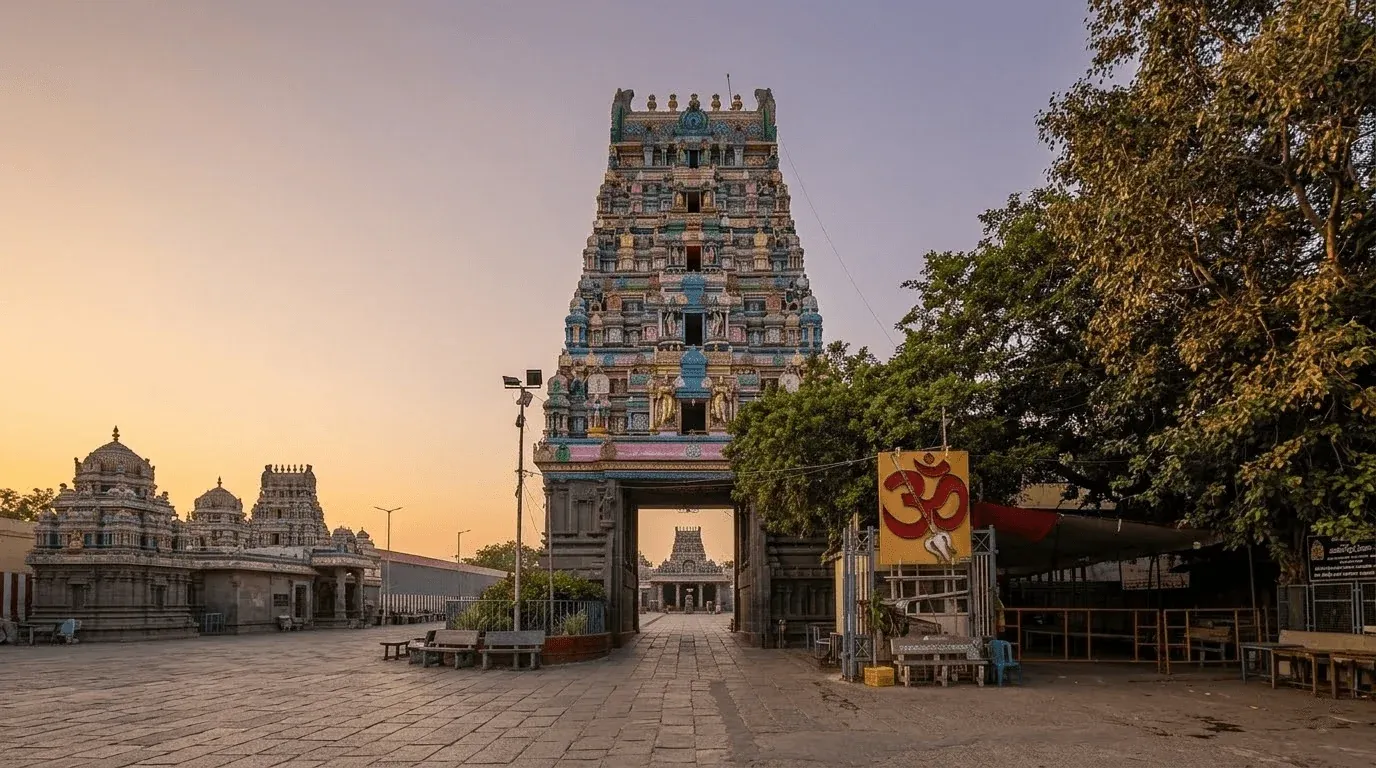
The crown jewel of Vijayawada's religious landscape, this ancient temple dedicated to Goddess Durga sits atop Indrakeeladri Hills. The temple's Dravidian architecture and spiritual ambiance attract devotees from across the country. During Dasara, the temple becomes the center of elaborate celebrations with thousands of pilgrims participating in traditional rituals.
Prakasam Barrage
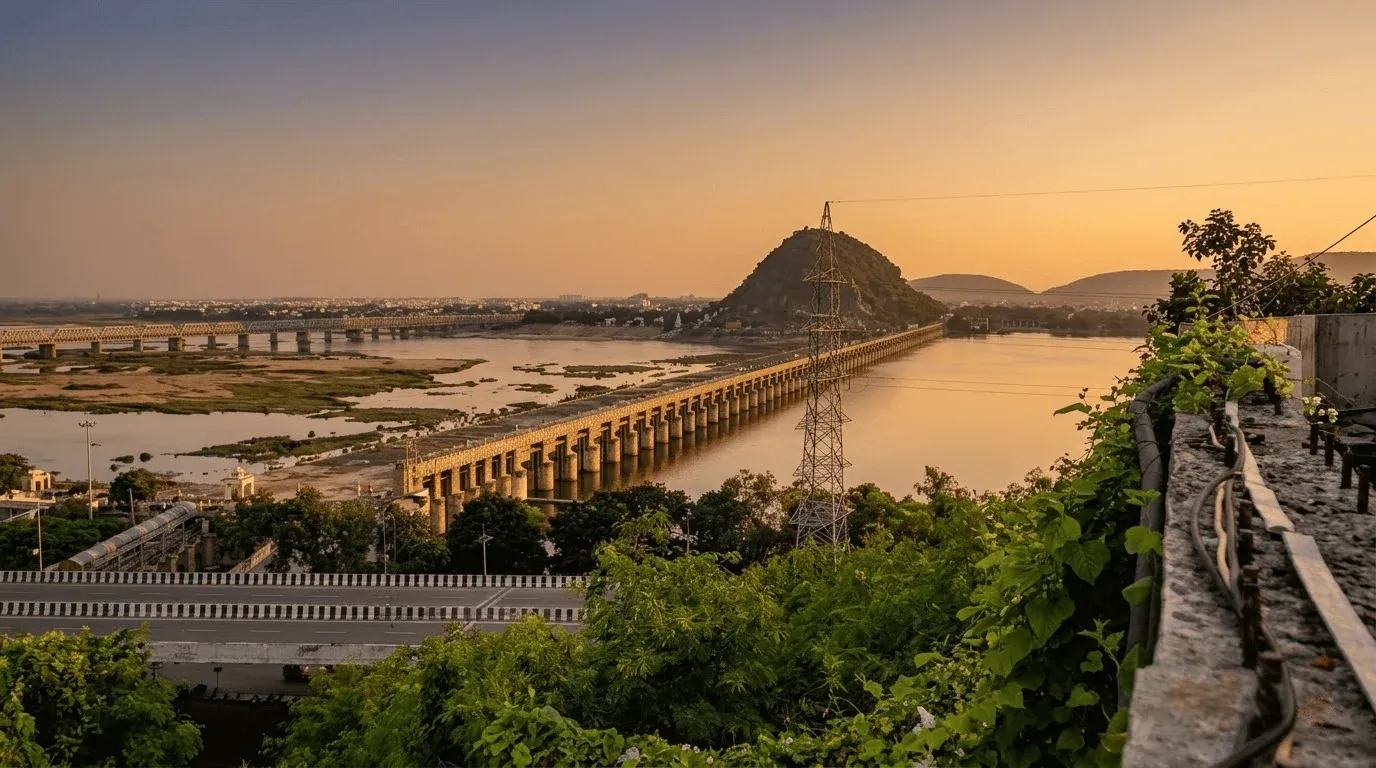
This impressive 1,223-meter-long bridge spans the Krishna River, connecting Vijayawada with the surrounding areas. The barrage not only serves as a crucial irrigation project but also offers stunning views of the river and city skyline. The adjacent gardens and walkways make it a popular spot for evening strolls and recreational activities.
Bhavani Island
Located in the middle of the Krishna River, Bhavani Island is one of the largest river islands in India. This picturesque destination offers a perfect escape from city life with its lush greenery, water sports facilities, and picnic spots. The island has been developed as a major tourist attraction with cottages, restaurants, and adventure activities.
Special Highlight: The Railway Hub of South India
What makes Vijayawada truly special is its status as one of India's largest and busiest railway junctions. The Vijayawada Junction Railway Station is a crucial node in the Indian Railways network, connecting major cities across the country. Over 200 trains pass through this station daily, making it the second busiest railway station in South India. The station's unique architecture, featuring a blend of traditional and modern design elements, reflects the city's character as a bridge between tradition and progress. The railway's contribution to the city's economy and culture is immeasurable, with generations of railway families calling Vijayawada home. The station's iconic dome and the constant buzz of activity make it a living symbol of the city's dynamic nature and its role as the lifeline connecting Andhra Pradesh with the rest of India.
Travel Guide to Vijayawada
How to Reach Vijayawada
By Air: Vijayawada Airport (VGA) is located 18 km from the city center, with direct flights to Hyderabad, Bangalore, Chennai, Delhi, and other major cities. Taxis and airport shuttle services are readily available.
By Train: Vijayawada Junction (BZA) is one of India's major railway stations, well-connected to all major cities including Hyderabad, Chennai, Bangalore, Delhi, Mumbai, and Kolkata.
By Road: The city is accessible via NH16 (Chennai-Kolkata Highway) and NH65. APSRTC and private bus operators provide extensive connectivity to major cities and towns across Andhra Pradesh and neighboring states.
Best Time to Visit
The ideal time to visit is from October to March when temperatures range from 20°C to 32°C, providing pleasant weather for sightseeing. The winter months offer comfortable temperatures for exploring temples and outdoor attractions. Avoid visiting during April-June when temperatures can soar above 40°C, and during monsoon months (July-September) when heavy rainfall may disrupt travel plans.
Local Attractions
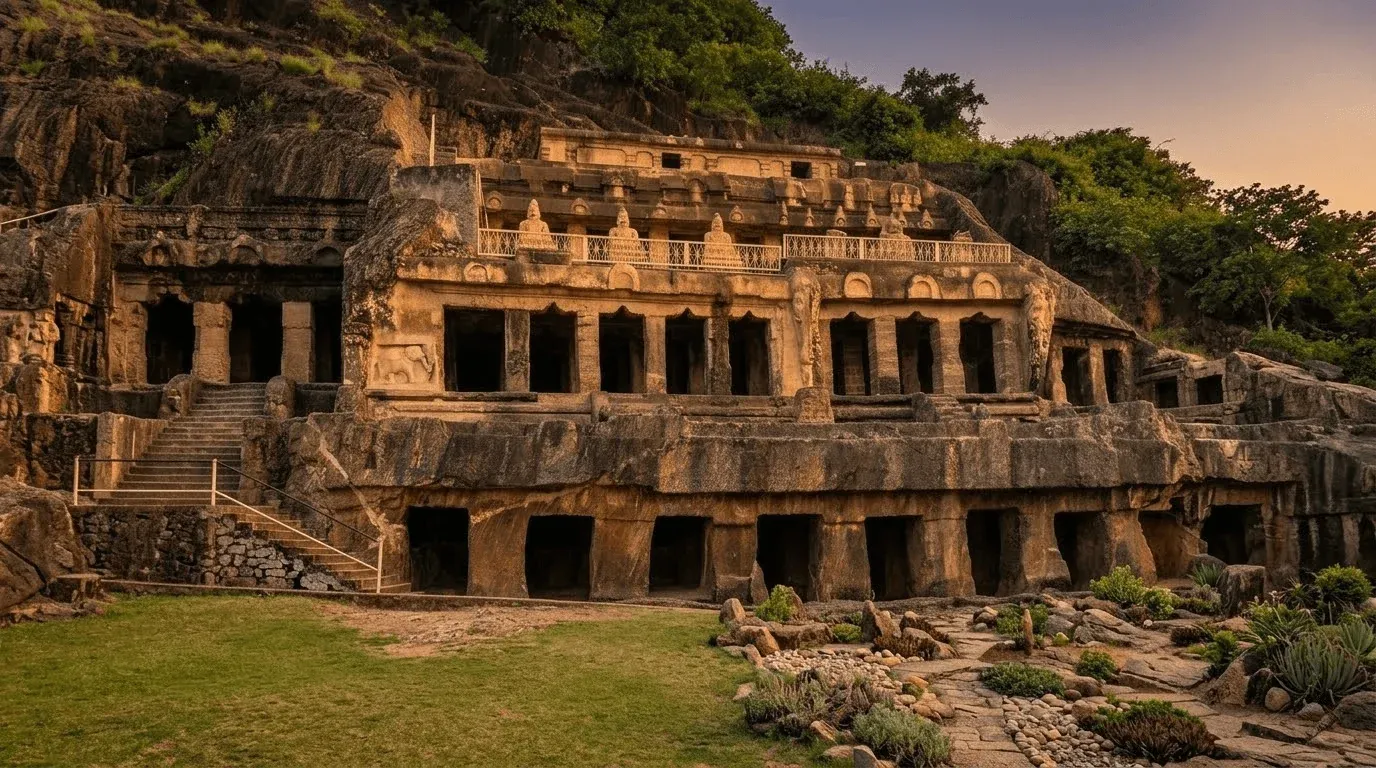
Undavalli Caves: Located 6.5 km away, ancient rock-cut architecture.
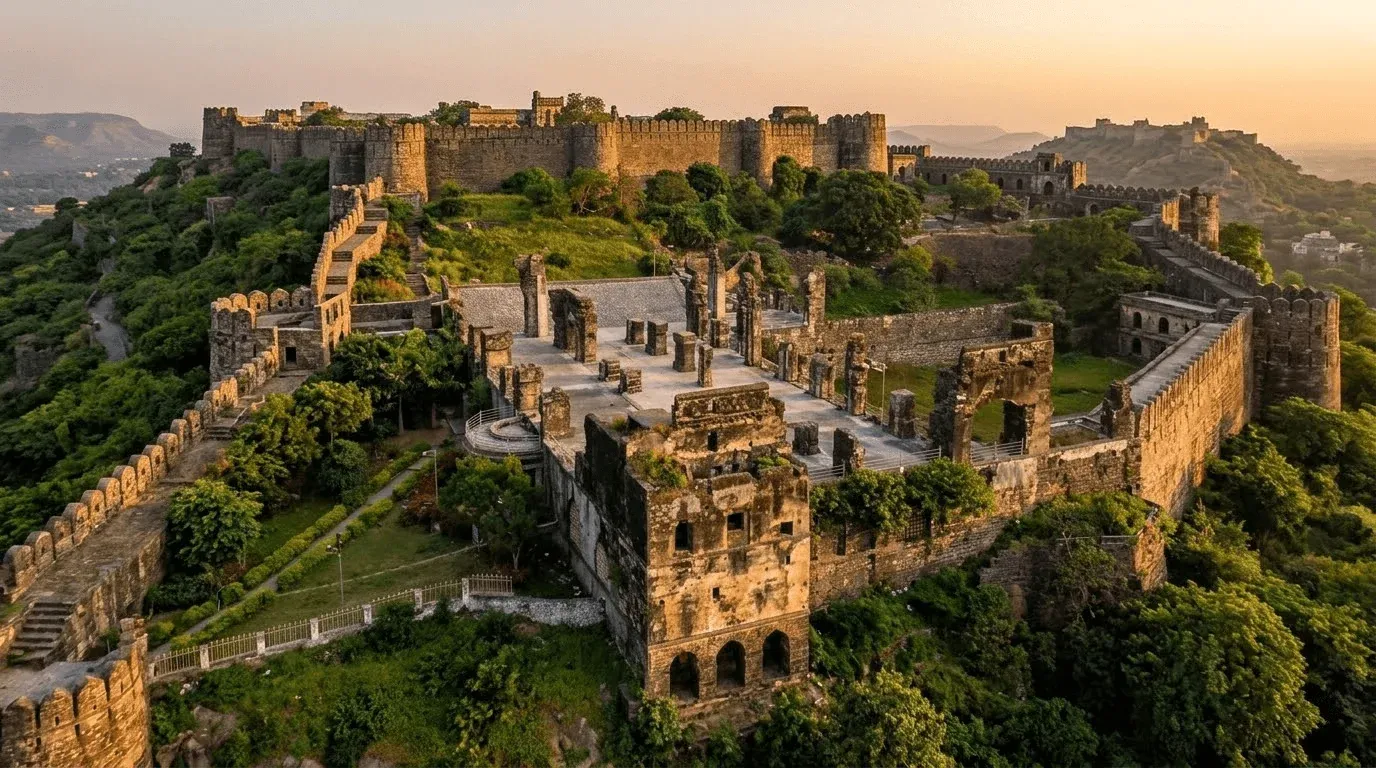
Kondapalli Fort: Situated 16 km from Vijayawada, historic fort.
Amaravati: A cultural town 35 km from the city.
Tips for Visitors and Travelers
Wear modest clothing when visiting temples, covering shoulders and knees.
Photography may be restricted inside temples; always ask for permission.
Carry water bottles during summer months as temperatures can be extreme.
Remove shoes before entering temple premises as per Hindu customs.
Cultural Capital Location
Image Gallery