
Jorhat is one of Upper Assam's most important cities, known for tea heritage, cultural life, and its role as the gateway to Majuli. It works well for travelers who want a balanced trip with city comfort, nearby heritage, and easy access to nature and tea-country experiences.
Jorhat
A lively Upper Assam city where tea heritage, cultural memory, and the gateway to Majuli come together
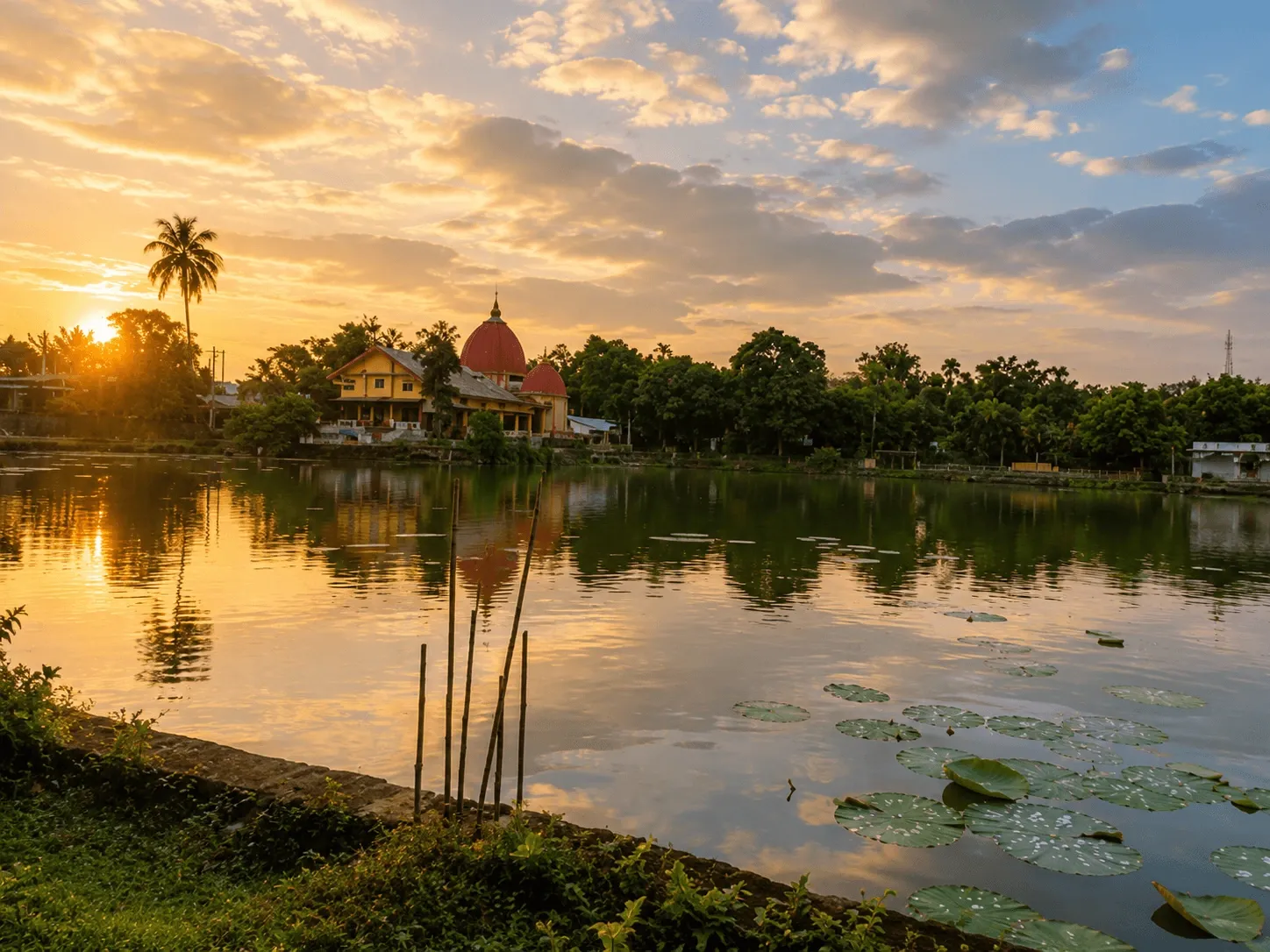
A Glimpse into the History of Jorhat
From Ahom Past to Modern Town
Jorhat was the last capital of the Ahom kingdom before the British period reshaped the region. This gives the city a layered identity where political memory, Assamese culture, and later colonial influence all remain part of its story.
The Rise of Tea Culture
With the expansion of tea cultivation in Assam, Jorhat developed into one of the region's most important tea centers. This shaped its economy, institutions, landscape, and identity so deeply that the city is still strongly associated with tea culture today.
A Cultural Capital of Assam
Jorhat is often described as a cultural capital of Assam because of its long literary, artistic, and educational influence. For travelers, this means the city feels active and lived-in rather than purely touristic, even when you visit for tea estates, heritage, or onward travel to Majuli.
Significance of Jorhat
Jorhat is significant because it connects several major identities of Assam at once: tea, culture, history, and the route to Majuli. It is one of the easiest cities in Upper Assam from which travelers can build a varied trip that includes tea landscapes, religious stops, wildlife, and river-island travel.
Festivals and Seasonal Experiences Around Jorhat
Assam Tea Festival Season
Jorhat is closely linked with Assam's tea identity, and the tea festival season gives the city a distinctive cultural and social energy. This is one of the best times to feel Jorhat's public personality beyond ordinary sightseeing.
Winter Race and Heritage Mood
The cooler months are especially pleasant in Jorhat, and this season suits tea-estate views, city outings, and nearby excursions. It is the easiest time to combine urban comfort with day trips around Upper Assam.
Special Highlight: Tea Heritage with Majuli Access
What makes Jorhat especially rewarding is that it is not only a city to see, but also a base to move from. You can explore tea heritage, stop at cultural and spiritual sites, and still use Jorhat as the practical gateway to Majuli and nearby wildlife destinations.
Travel Guide to Jorhat
How to Reach Jorhat
By Air: Jorhat Airport is the nearest airport and is the most convenient way to reach the city. It is well used by travelers heading into Upper Assam and onward to Majuli.
By Train: Mariani Junction is the nearest major railway station, about 17 km from Jorhat town, and Jorhat Town station connects through the loop line. This makes rail travel practical even if your main train stops at Mariani.
By Road: Jorhat lies on the NH-37 corridor and is well connected by road with Dibrugarh, Guwahati, and other Upper Assam towns. Once in the city, taxis, autos, and local vehicles make sightseeing easy.
Best Time to Visit
The best time to visit Jorhat is from October to March, when the weather is more comfortable for tea-estate visits, city travel, and day trips toward Majuli or nearby sanctuaries. This season also suits outdoor sightseeing much better than the wetter months.
Local Attractions
Tocklai Tea Research Institute: One of Jorhat's most distinctive attractions and a strong symbol of the city's tea identity.
Dhekiakhowa Bornamghar: A major spiritual and cultural stop near Jorhat for travelers interested in Assamese devotional traditions.
Hollongapar Gibbon Sanctuary: A realistic wildlife add-on near Jorhat for travelers who want to balance the city with nature.
Tips for Devotees and Travelers
Start early if you want to combine Jorhat city sightseeing with a tea or wildlife stop on the same day.
Keep extra time if you are planning Majuli ferry coordination through Nimati Ghat, because onward island travel adds another layer to the day.
Carry water and light sun protection, especially if your day includes tea-estate roads, open temple grounds, or sanctuary-side movement.
Arrange local transport in advance if you are covering Jorhat plus Hollongapar or Nimati Ghat, because those outings work better with a clear route plan.
City Location
Image Gallery
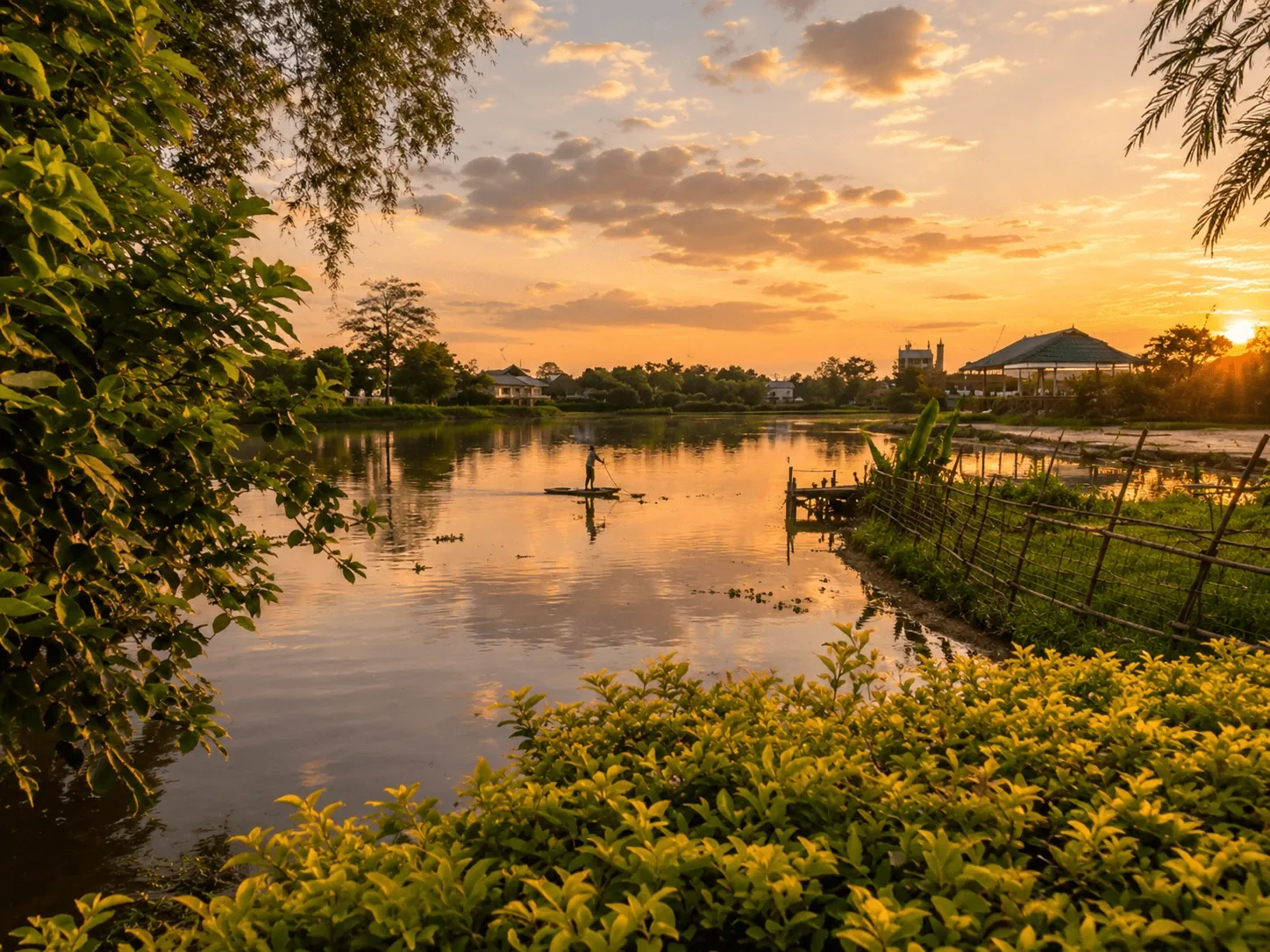
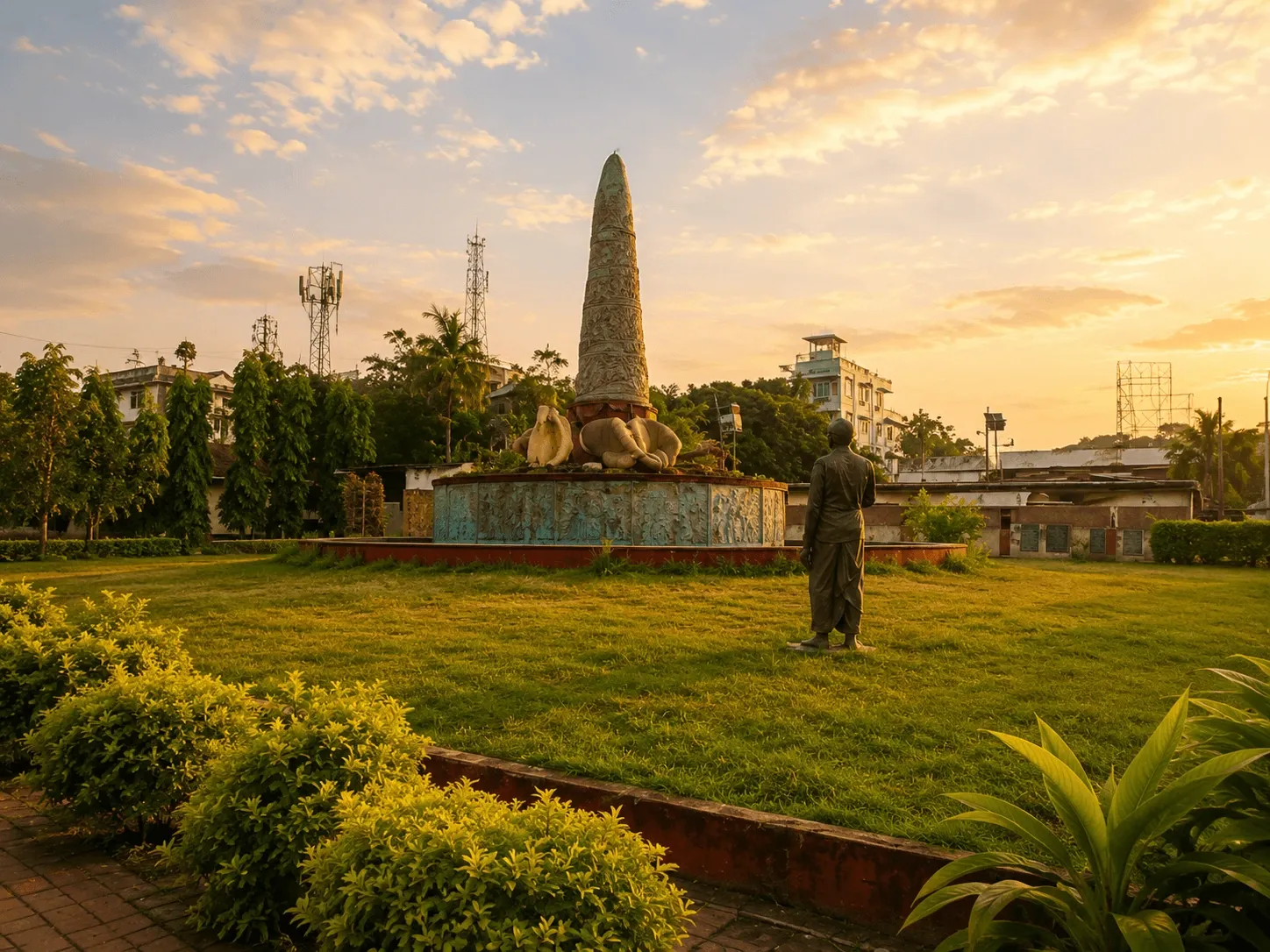
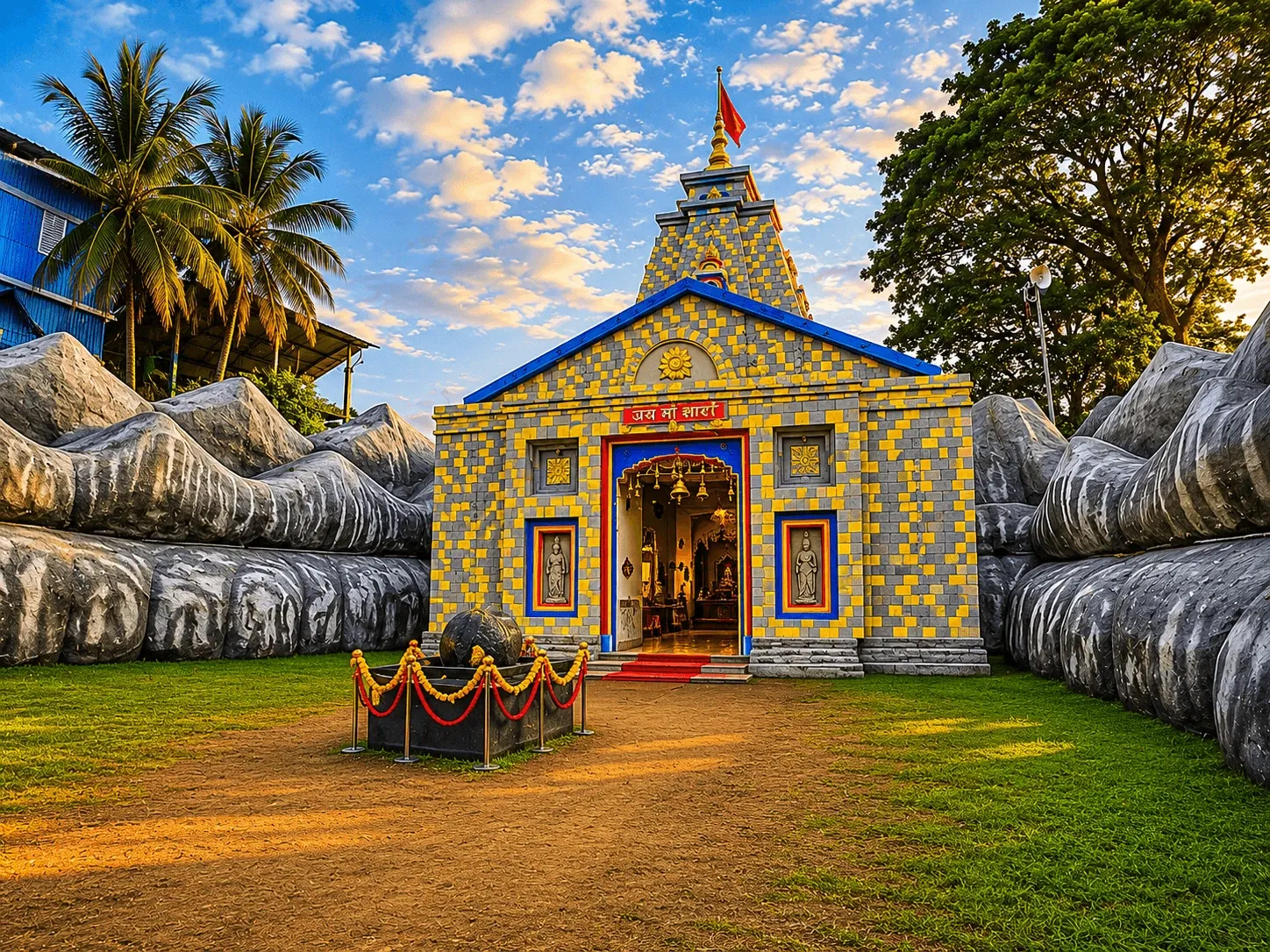
Nearest Places to Visit
Tocklai Tea Research Institute
Dhekiakhowa Bornamghar
Hollongapar Gibbon Sanctuary
Nimati Ghat