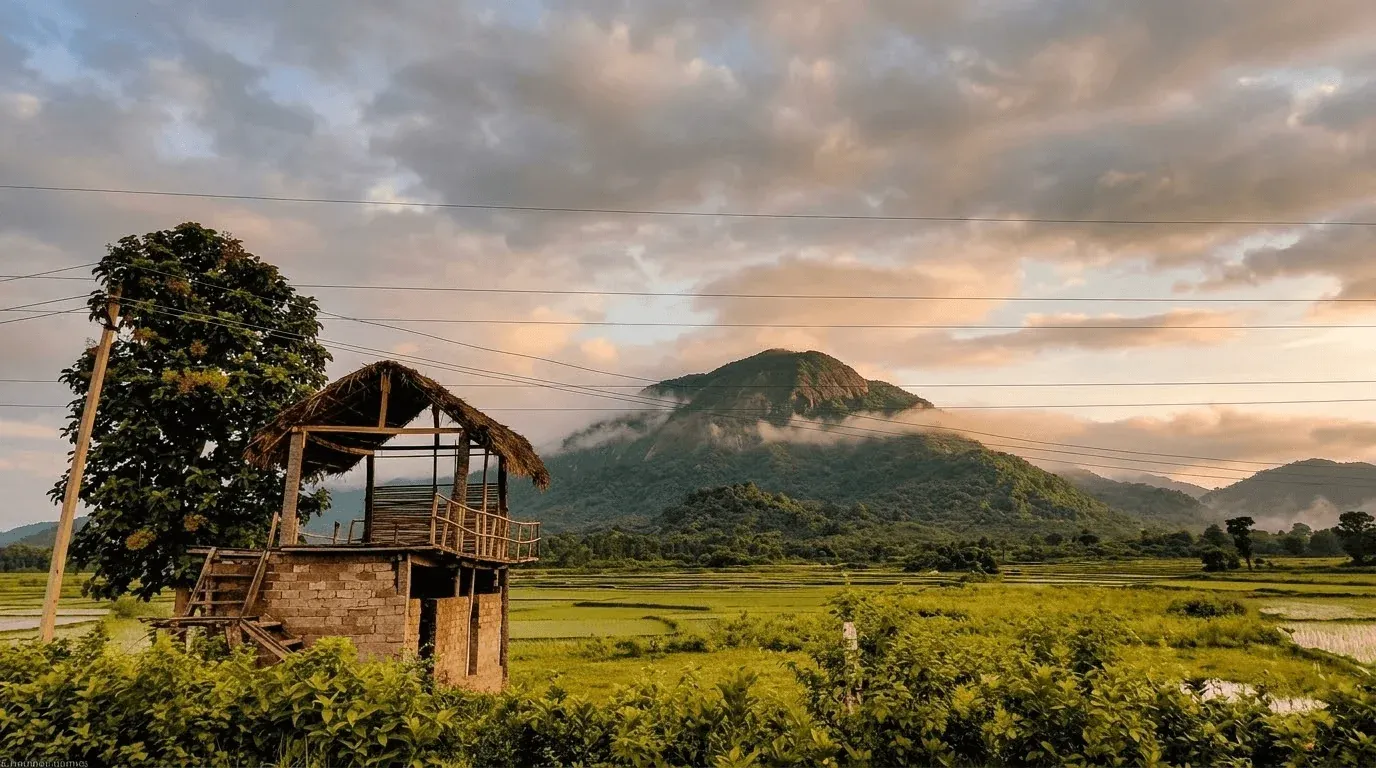
Known as the "Jewel of the East Coast," Visakhapatnam (Vizag) is a stunning coastal city that beautifully blends natural beauty with industrial prowess. Nestled between the Eastern Ghats and the Bay of Bengal, this vibrant metropolis offers visitors an enchanting mix of pristine beaches, scenic hills, ancient temples, and modern infrastructure. As the largest city in Andhra Pradesh and a major port city, Visakhapatnam serves as a gateway to the eastern coast while preserving its rich cultural heritage and natural splendor.
Visakhapatnam
The Jewel of the East Coast
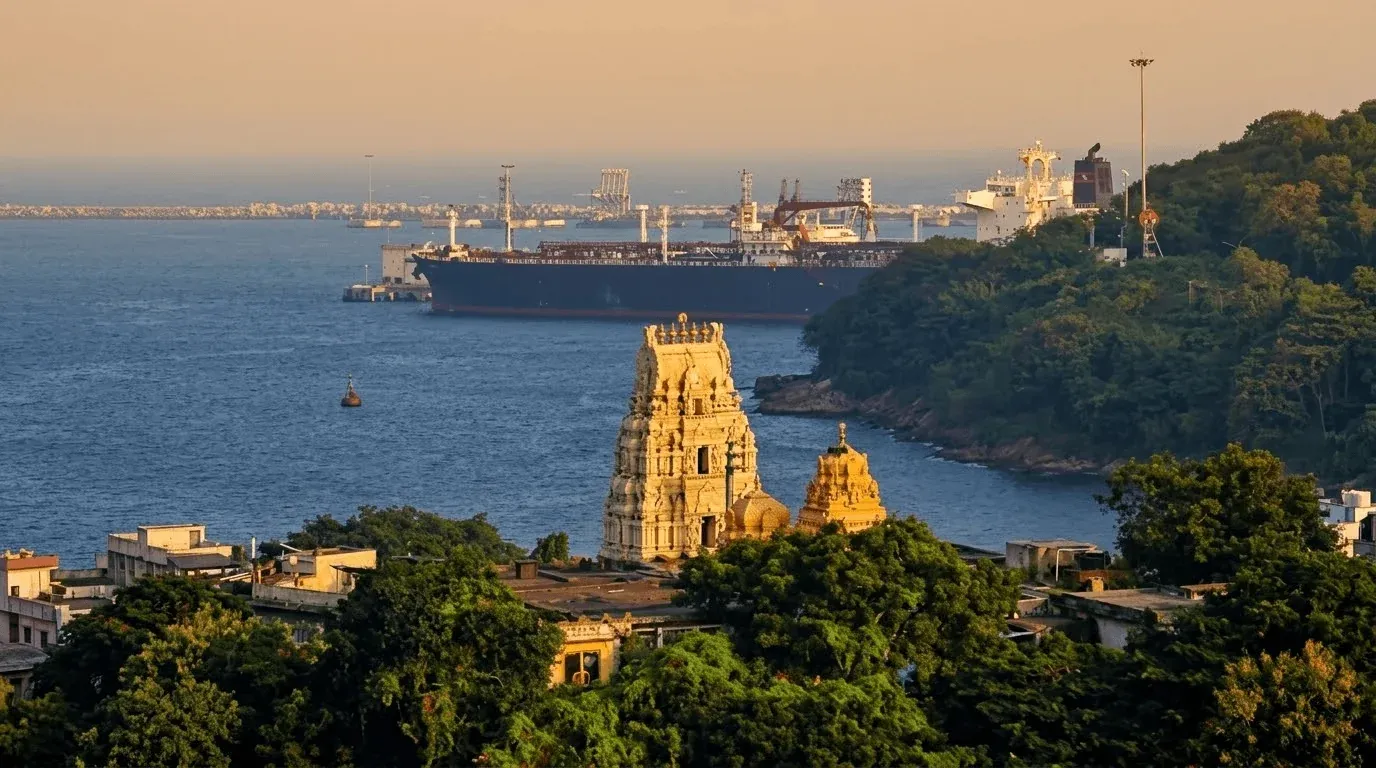
A Glimpse into the History of Visakhapatnam
Ancient Maritime Heritage
Visakhapatnam's history dates back to the 6th century BCE when it was part of the Kalinga kingdom. The city has been a significant maritime trade center for centuries, with ancient port facilities that connected India to Southeast Asia. Historical records mention the region as a major trading hub during the reign of the Andhra kings and later under various dynasties including the Cholas and Eastern Gangas.
Colonial Era Development
During the British colonial period, Visakhapatnam gained strategic importance as a major port city. The British developed the natural harbor into a modern port facility, establishing shipbuilding yards and naval bases. The city played a crucial role in maritime trade and military operations during World War II, contributing significantly to India's naval infrastructure.
Modern Industrial Growth
Post-independence, Visakhapatnam emerged as a major industrial center with the establishment of the Visakhapatnam Steel Plant, Hindustan Shipyard, and various petroleum refineries. The city has grown into one of India's fastest-growing urban centers while maintaining its natural beauty and cultural heritage, making it a unique blend of industrial progress and scenic charm.
Cultural Significance
Visakhapatnam holds profound cultural significance as a melting pot of diverse traditions and communities. The city's strategic location has made it a cultural crossroads where Andhra, Telangana, and coastal traditions merge seamlessly. The region is home to ancient Buddhist sites that date back to the 3rd century BCE, reflecting its historical importance as a center for Buddhist learning and philosophy. The city's cultural landscape is enriched by numerous temples, including the famous Simhachalam Temple, which attracts millions of devotees annually. Visakhapatnam's cultural identity is also shaped by its maritime heritage, with fishing communities that have preserved their traditional lifestyles for generations. The city celebrates various festivals with great enthusiasm, including Sankranti, Ugadi, and the Visakha Utsav, which showcases the region's rich cultural diversity through music, dance, and traditional arts.
Major Attractions in Visakhapatnam
RK Beach
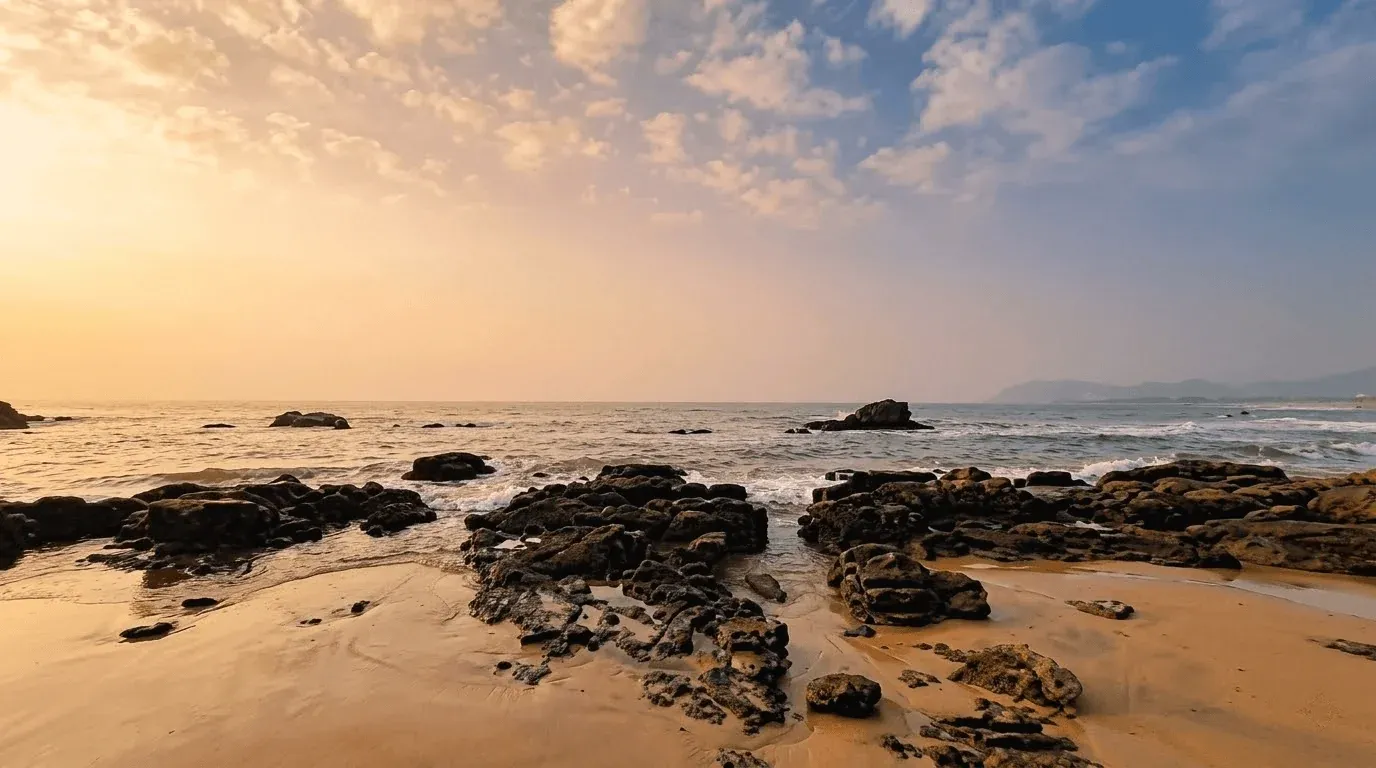
The iconic Ramakrishna Beach is Visakhapatnam's most popular destination, offering a perfect blend of natural beauty and recreational facilities. The beach features the INS Kursura Submarine Museum, a unique attraction that showcases India's naval heritage, along with beautiful promenades, restaurants, and stunning sunset views.
Kailasagiri
Perched at an altitude of 360 meters, Kailasagiri offers breathtaking panoramic views of the city and the Bay of Bengal. This hilltop park features beautiful gardens, statues of Shiva and Parvati, and offers various recreational activities including paragliding and toy train rides, making it a perfect destination for families and nature lovers.
Simhachalam Temple
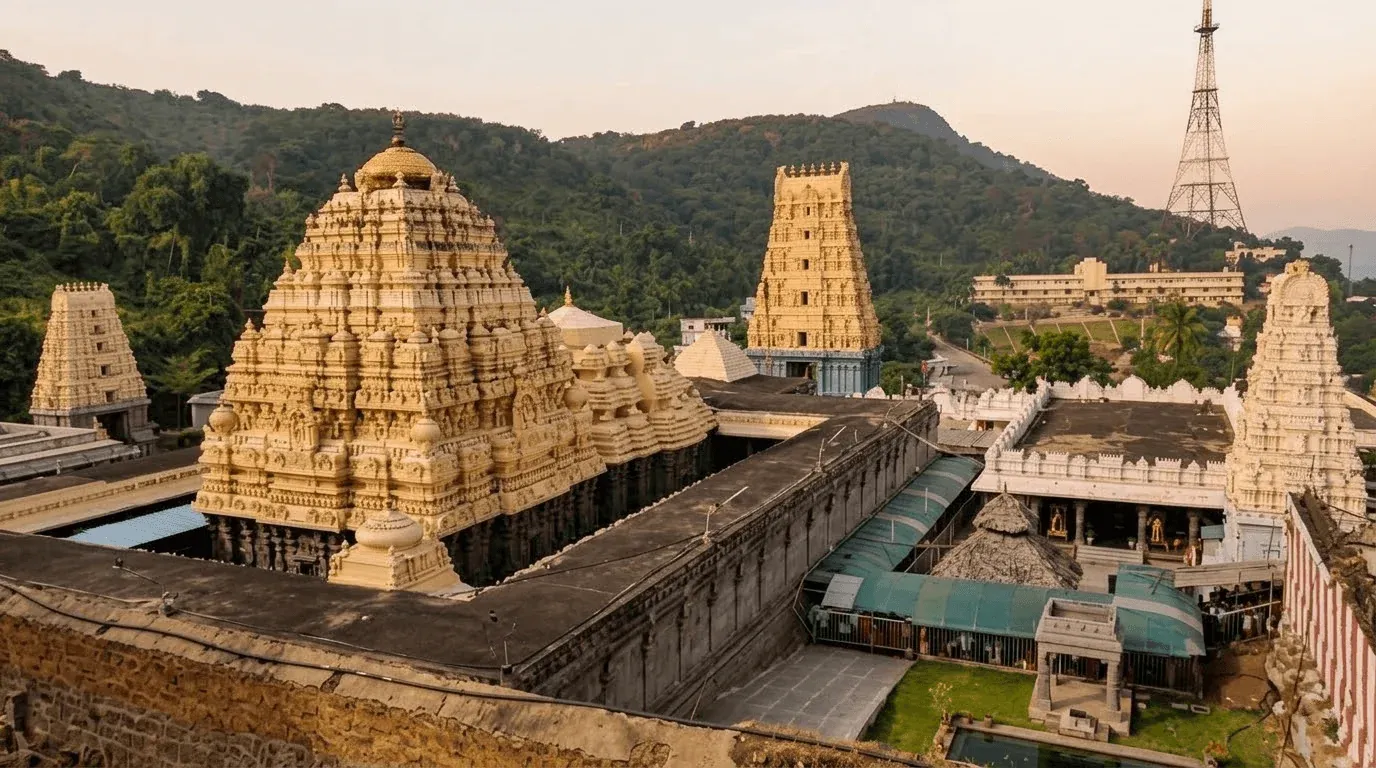
Dedicated to Lord Narasimha, the Simhachalam Temple is one of the most important religious sites in Andhra Pradesh. Located on a hill 15 km from the city, this ancient temple features exquisite stone carvings and attracts thousands of devotees, especially during the annual Chandanotsavam festival.
Special Highlight: Natural Beauty Meets Urban Development
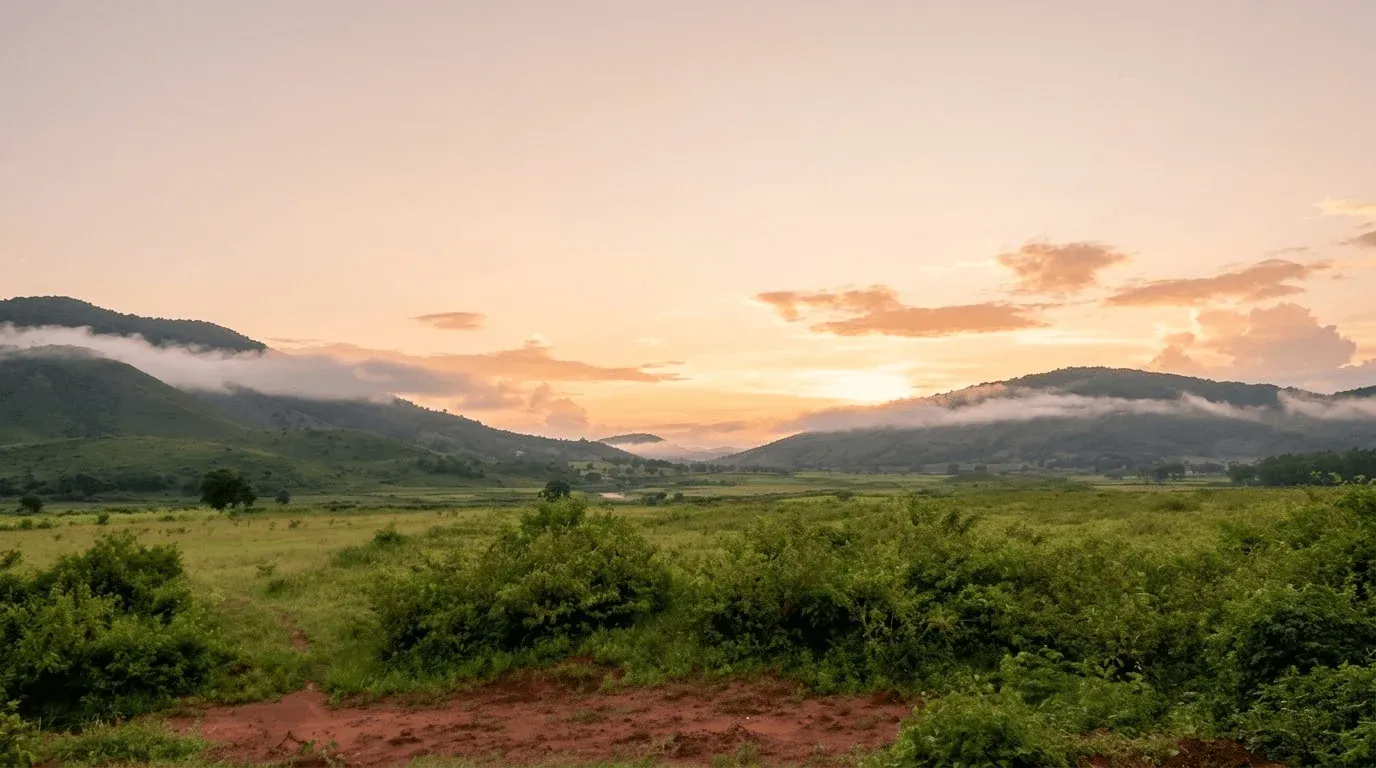
What makes Visakhapatnam truly special is its unique ability to harmonize natural beauty with urban development. Unlike many industrial cities, Visakhapatnam has managed to preserve its pristine beaches, lush green hills, and clean air while becoming a major industrial and commercial hub. The city's landscape is dominated by the Eastern Ghats that meet the Bay of Bengal, creating stunning natural vistas that are rare in urban settings. The Dolphin's Nose, a massive rocky headland, and the Yarada Beach with its golden sands are examples of the city's natural treasures. This perfect balance between development and conservation makes Visakhapatnam a model for sustainable urban growth, offering residents and visitors the best of both worlds - modern amenities and natural serenity.
Travel Guide to Visakhapatnam
How to Reach Visakhapatnam
By Air: Visakhapatnam Airport is located just 7 km from the city center and is well-connected to major cities including Hyderabad, Chennai, Delhi, Mumbai, and Bangalore with regular domestic flights.
By Train: Visakhapatnam Railway Station (VSKP) is a major railway junction on the Howrah-Chennai main line, with excellent connectivity to major cities across India including Delhi, Mumbai, Kolkata, and Chennai.
By Road: Well-connected by NH16 (formerly NH5) to Hyderabad (620 km), Vijayawada (380 km), and Chennai (800 km). APSRTC operates regular bus services from major cities.
Best Time to Visit
The ideal time to visit is from October to March when the weather is pleasant with temperatures ranging from 15°C to 30°C. The winter months offer perfect conditions for sightseeing and beach activities. The monsoon season (June-September) brings heavy rainfall and should be avoided for outdoor activities.
Local Attractions
Rishikonda Beach: Perfect for water sports and beach activities.
Thotlakonda: Ancient Buddhist site with stunning ocean views.
Bheemili Beach: Historic beach with Dutch colonial remnants.
Tips for Visitors and Travelers
Carry light cotton clothes and sunscreen due to the coastal climate.
Visit beaches early morning or evening for the best photography lighting.
Stay hydrated and carry water when exploring outdoor attractions.
Respect local customs when visiting religious sites and temples.
City Location
Image Gallery